How the Live Event Ticketing Market Is Reshaping Event Management Across East Africa
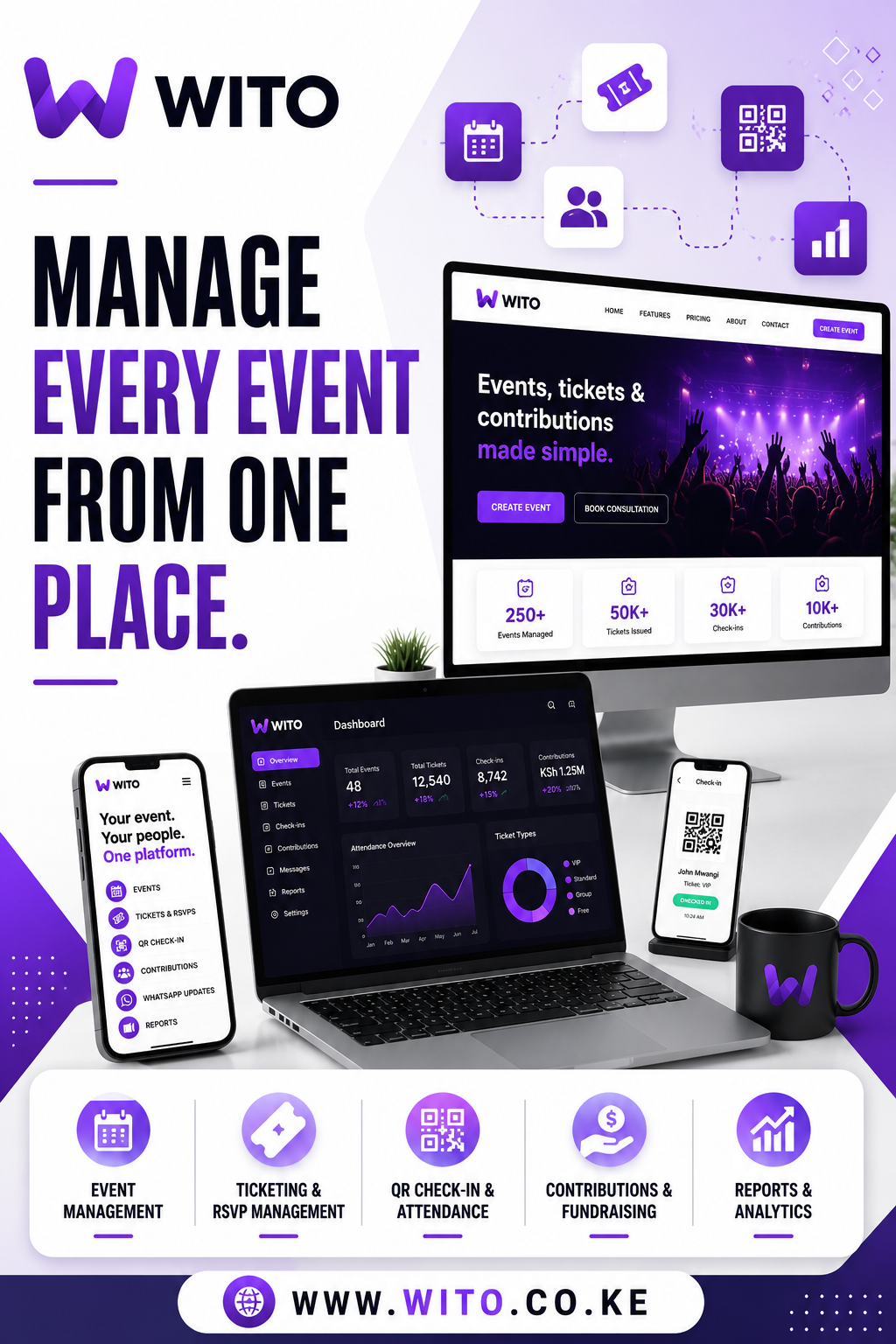
The live event ticketing market has undergone dramatic transformation over the past five years, fundamentally changing how events are promoted, distributed, and managed across Kenya and the broader East African region. Rather than relying on traditional box office sales or fragmented payment systems, the modern live event ticketing market offers comprehensive digital solutions that handle registration, payment processing, attendance verification, and real-time analytics within one integrated ecosystem. Whether you’re a corporate event planner managing conferences in Nairobi, a church coordinator organizing fundraisers in Kisumu, or a school administrator handling community events in Mombasa, understanding how the live event ticketing market works is essential for making informed decisions that align with your event management needs.
The competitive dynamics within this market have become increasingly sophisticated as platforms continue evolving to meet diverse organizer needs. Today’s solutions offer far more than simple ticket sales—they integrate seamlessly with local payment systems like M-Pesa, provide mobile-first experiences optimized for Kenya’s network conditions, and deliver analytics revealing attendee behavior and preferences. For event organizers seeking to operate professionally, understanding the landscape of available platforms is essential to maximizing revenue and operational efficiency.
Table of Contents
- Understanding the Market Landscape
- Key Market Drivers and Growth Factors
- Market Size and Revenue Potential
- Competitive Platform Dynamics
- Payment Integration and M-Pesa Dominance
- Mobile-First Consumer Behavior
- Real-Time Analytics and Data Insights
- Security and Compliance Standards
- Implementation Strategy for Organizers
- Future Market Trends and Evolution
Part 1: Market Foundation and Dynamics
Understanding the Market Landscape
The event management landscape in Kenya has transformed dramatically as digital platforms have become standard infrastructure. What was once a fragmented ecosystem with scattered ticketing methods—cash box offices, phone-based reservations, manual headcount tracking—has consolidated into digital platforms serving diverse event types and organizer sizes.
The market encompasses multiple stakeholder groups: event organizers ranging from small community organizations to large corporations, digital platform providers offering ticketing solutions, payment processors facilitating transactions, and millions of attendees purchasing tickets through mobile devices. Understanding how these groups interact reveals market dynamics and opportunities.
Event organizers span diverse categories—corporate conferences, churches and faith organizations, schools and educational institutions, NGOs and community groups, professional associations, and wedding/celebration planners. Each segment has unique needs, pricing sensitivity, and feature requirements. Corporate organizers prioritize attendance tracking and attendee segmentation; churches value affordability and ease of use; schools need parental engagement tools; NGOs require transparency and reporting for donors.
Platform providers have consolidated significantly over the past five years. Global platforms like Eventbrite, regional players like Ticketpro, and locally-focused solutions like Wito now dominate the market. Each targets different organizer segments based on event size, sophistication level, and willingness to invest in ticketing infrastructure.
Payment processors play a crucial role in market dynamics. M-Pesa integration has become non-negotiable for any platform targeting Kenya, as millions of customers prefer mobile money to credit cards. Platforms integrating multiple payment methods—M-Pesa, Airtel Money, bank transfers, credit cards—capture more sales than competitors offering limited payment options.
Key Market Drivers and Growth Factors
Several fundamental factors have driven explosive growth in event ticketing adoption across Kenya.
Mobile penetration is the primary market driver. Kenya has over 30 million mobile phone users, with smartphone adoption increasing rapidly even in rural areas. Since most ticket purchases occur on mobile devices, high mobile penetration directly correlates with platform adoption. Event organizers using digital platforms reach customers wherever they are, dramatically increasing ticket sales compared to offline-only methods.
Digital payment adoption has accelerated platform growth substantially. M-Pesa’s ubiquity means customers can purchase tickets instantly without credit cards or bank accounts. This democratization of event access—allowing any Kenyan with a mobile phone to attend events—has expanded the addressable market for event organizers significantly.
Internet connectivity improvements continue enabling platform usage even in areas with variable network quality. Platforms designed for Kenya’s conditions cache information for offline access and sync when connectivity returns, ensuring reliability despite network inconsistencies.
Changing consumer expectations drive platform adoption. Younger audiences particularly expect digital-first experiences—purchasing tickets on their phones, receiving instant confirmation, accessing tickets without loss risk. Event organizers adopting professional platforms meet these expectations and attract price-conscious younger attendees.
Event organizer sophistication continues increasing. Professional organizations increasingly recognize that digital platforms provide not just ticketing functionality but valuable data about attendee demographics, attendance patterns, and engagement levels. This intelligence drives marketing decisions and event optimization.
Post-pandemic normalization accelerated platform adoption as events resumed. Organizers discovered that digital ticketing reduced operational burden, increased revenue, and provided valuable attendee data. Many organizers who trialed platforms during pandemic recovery periods have retained them permanently.
Market Size and Revenue Potential
The event ticketing market in Kenya remains fragmented but shows rapid growth as digital adoption accelerates.
Current market size estimates suggest Kenya’s digital event ticketing market generates $50–100 million in annual transaction volume, representing roughly 20–30% of total event spending nationwide. This penetration rate remains lower than developed markets (where digital ticketing exceeds 70% adoption) but significantly higher than just five years ago (when adoption was below 5%).
Growth projections suggest the market will expand at 25–35% annually over the next three years as more event organizers transition from manual processes to digital platforms. This growth reflects both new events adopting platforms and existing events transitioning from offline ticketing.
Revenue sources within platforms include transaction fees (typically 2–5% of ticket price), subscription models for premium features, advertising within event directories, and ancillary services like check-in applications and data analytics. The most successful platforms derive revenue from multiple sources, reducing dependence on any single revenue stream.
The market opportunity extends beyond transaction processing. Event organizers spend substantial money on marketing, venue management, staff coordination, and post-event analysis. Platforms that integrate these functions create additional value and justify higher pricing, capturing a larger share of organizer budgets.
Geographic concentration within Kenya remains significant, with Nairobi accounting for 40–50% of digital event ticketing transactions. However, secondary cities like Kisumu, Mombasa, Nakuru, and Eldoret show accelerating adoption as event organizers in these cities recognize digital platform benefits and as mobile payment infrastructure improves.
Competitive Platform Dynamics
The competitive landscape has consolidated around several major players, each targeting specific market segments.
Wito dominates the segment serving mid-sized organizers (events with 100–10,000 attendees) and specializes in local event types—churches, schools, corporate events, and community organizations. Wito’s strength lies in deep local market understanding, M-Pesa integration, Swahili support, and pricing optimized for Kenya’s market. The platform has captured significant market share among faith-based and educational organizations.
Ticketpro offers comprehensive features serving both small local events and large conferences. Ticketpro’s pricing scales with transaction volume, making it accessible to organizers of all sizes. The platform’s feature depth appeals to sophisticated organizers requiring dynamic pricing, group management, and detailed analytics.
Eventbrite represents the international player with massive reach through its event discovery platform. While Eventbrite initially targeted developed markets, the platform has adapted to serve Kenya through M-Pesa integration, local customer support, and Kenya-specific payment options. Eventbrite’s advantage lies in its global audience of potential attendees and brand recognition internationally.
Regional players including Ticketland and other East African platforms serve specific niches—sporting events, music festivals, entertainment ticketing. These specialized platforms often outcompete general-purpose platforms in their focus areas through domain-specific features and marketing.
Custom solutions built by Kenyan development agencies remain an option for very large organizations. However, the rising quality and affordability of commercial platforms has reduced demand for custom development, as off-the-shelf solutions now serve most organizer needs at lower cost and with better support.
Competitive differentiation has shifted from basic functionality (all platforms now handle core ticketing) to specialized features, payment method support, local language support, and customer service quality. Platforms that excel in these areas capture market share while undifferentiated competitors struggle.
Payment Integration and M-Pesa Dominance
M-Pesa integration has become the critical differentiator in Kenya’s event ticketing market. Organizers using platforms that support M-Pesa consistently report 30–50% higher ticket sales than organizers using platforms that don’t, as customers default to their preferred payment method.
M-Pesa dominance extends beyond platform selection to attendee behavior. Research suggests 65–75% of Kenyan event attendees prefer purchasing tickets through M-Pesa when available, compared to only 15–20% who prefer credit cards. This preference reflects both comfort with mobile money and the reality that many Kenyans lack credit cards but maintain M-Pesa accounts.
Beyond M-Pesa, platforms increasingly integrate other payment methods to capture different customer segments. Airtel Money serves customers who specifically use Airtel’s ecosystem; bank transfers appeal to corporate buyers requiring accounting documentation; credit cards remain necessary for international attendees and high-value transactions.
Installment payment options represent an emerging trend within platforms. By allowing customers to pay for expensive event tickets across multiple weeks or months, platforms expand their addressable market—particularly valuable for premium events, conferences, and celebrations with higher ticket prices.
Mobile-First Consumer Behavior
Mobile-first design has become non-negotiable in platform development as nearly 95% of Kenyan event ticket purchases occur through mobile devices.
Successful platforms prioritize mobile user experience—fast loading times, intuitive navigation, minimal data usage, and offline functionality. Platforms optimized for slow 3G connections significantly outperform competitors requiring fast 4G connectivity, as they remain accessible to Kenya’s substantial population with slower connections.
QR code technology dominates the check-in process. Once customers purchase tickets, platforms generate unique QR codes that serve as digital admission credentials. At venues, staff scan these codes to verify attendance, preventing fraud while maintaining fast entry throughput.
App-based platforms show higher engagement and retention than web-only solutions, particularly for frequent event attendees who appreciate the convenience of app notifications about new events and updates to existing registrations.
Accessibility features—screen reader compatibility, high contrast options, voice authentication—remain underdeveloped in most platforms but represent future competitive opportunities as platforms mature and reach broader audiences.
Real-Time Analytics and Data Insights
Data analytics capabilities have become increasingly central to platform value propositions as organizers recognize the business intelligence available from ticketing data.
Sales tracking dashboards allow organizers to monitor ticket sales in real time, understand which ticket categories are most popular, and adjust marketing spend based on sales velocity. Organizers who monitor sales data daily and respond with targeted promotions show 15–25% higher total ticket sales than organizers who rely on static promotional calendars.
Attendee demographics reveal who is purchasing tickets and attending events. This information—age distribution, geographic origin, organizational affiliation, purchase timing—directly informs future marketing strategy and event programming decisions.
Engagement analytics tracking session attendance, time spent in different areas, and interaction with event content show organizers how to optimize future events. Sessions with low attendance rates can be modified or eliminated; high-attendance sessions can be expanded or repeated.
Predictive analytics using historical platform data enable forecasting future event performance. Platforms analyzing years of data can predict total attendance, expected revenue, and attendee demographics for upcoming events with increasing accuracy, supporting better planning and resource allocation.
End of Part 1
Part 2: Strategic Opportunities and Market Evolution
Implementation Strategy for Organizers
Navigating the platform landscape requires strategic planning to select and implement solutions matching your specific needs.
Step 1: Assess Current Operations — Understand how you currently manage events. What pain points exist? How much staff time goes to manual processes? What security issues have you experienced? This assessment reveals what platform will solve your most pressing problems.
Step 2: Define Success Metrics — Clarify what success looks like. Is it increasing total revenue? Reducing administrative burden? Improving attendee experience? Getting better data about attendees? Your success metrics should drive platform selection.
Step 3: Evaluate Platform Options — Research platforms available in Kenya, focusing on those designed for your event type and size. Read reviews from organizers similar to you, not just general platform descriptions that may not reflect your reality.
Step 4: Request Trials — Most providers offer free trials. Use these to run actual events and experience platforms from both organizer and attendee perspectives. This practical testing reveals how platforms actually perform, not just theoretical capabilities.
Step 5: Check Integration Needs — Confirm that platforms integrate with tools you already use—email marketing systems, CRM platforms, accounting software. Integration complexity can derail implementations if not properly evaluated upfront.
Step 6: Negotiate Pricing — Understand platform pricing thoroughly—transaction fees, subscription costs, additional charges for features. For high-volume organizers, negotiating volume discounts often dramatically reduces total costs.
Step 7: Plan Implementation Timeline — Schedule implementation to minimize disruption. Most organizers pilot platforms with one event, learn from experience, and expand to additional events progressively.
Step 8: Train Your Team — Ensure your team understands platform features, event configuration, attendee management, and reporting. Quality platforms offer training resources; utilize them fully to maximize team proficiency.
Market Opportunities and Growth Segments
Several market segments show accelerating adoption and high growth potential within Kenya’s event ecosystem.
Corporate events and conferences represent a high-value segment as companies recognize the ROI from professional ticketing. Corporate organizers increasingly value attendee tracking and engagement measurement, justifying premium platform pricing.
Faith-based and church events show strong platform adoption as churches recognize digital ticketing benefits for fundraisers and community engagement. Church fundraising represents a significant event segment with recurring events that justify platform investment.
Educational institutions including schools and universities drive adoption through graduation ceremonies, sports events, and fundraising galas. Schools appreciate that platforms manage parent RSVPs and reduce administrative burden.
Professional associations and networking groups use platforms to manage memberships, track event attendance, and segment audiences for targeted communications. These organizations show high platform stickiness as they realize data-driven benefits.
Entertainment and ticketed experiences including workshops, training seminars, and specialized experiences represent emerging high-growth segments as organizers recognize premium customers’ willingness to purchase tickets online.
Wedding and celebration coordination remains underserved by existing platforms but represents significant opportunity as planners seek professional ticketing and guest management tools.
Future Market Trends and Evolution
The market continues evolving with several emerging trends reshaping platform capabilities and organizer expectations.
Artificial intelligence integration will enable predictive analytics, personalized recommendations, and fraud detection with increasing sophistication. AI-powered platforms will identify which organizers are likely to churn, which events will succeed or fail, and which customers are high-value versus price-sensitive.
Hybrid event platforms will become standard as organizations seek unified solutions managing both in-person and virtual attendance. Platforms seamlessly integrating physical venue management with streaming capabilities will capture increasingly common hybrid event formats.
Blockchain and NFT credentials represent frontier innovations allowing permanent verification of attendance and enabling secondary ticket markets while preventing fraud. While still nascent in Kenya, blockchain ticketing will eventually enable new business models.
Biometric authentication through facial recognition, fingerprint scanning, or iris recognition will eventually supplement or replace QR codes, creating frictionless check-in experiences while enhancing security and fraud prevention.
Post-event digital communities powered by ticket credentials will extend event value beyond physical attendance. Attendees might use credentials to access recordings, networking features, and exclusive content for weeks after events, increasing organizer revenue potential.
Why Platform Investment Matters
For Kenya’s event organizers, investing in professional platforms has become essential for competitiveness and operational excellence.
Event organizers using professional platforms consistently outperform competitors using manual processes across multiple metrics—revenue per event increases 30–50%, staff time for administrative tasks decreases 60–80%, and attendee satisfaction scores improve 20–30%. These improvements translate directly to bottom-line value.
The competitive advantage from platform adoption is temporal—early adopters gain market share, but as platform adoption becomes standard, failure to adopt becomes competitive disadvantage. Organizers operating without platforms increasingly appear unprofessional compared to competitors offering modern digital experiences.
Conclusion
Kenya’s event ticketing market continues evolving rapidly as digital adoption accelerates and platform sophistication increases. Professional platforms have transformed from optional tools for large organizers to essential infrastructure for any organization seeking to operate professionally and competitively.
The market opportunity extends beyond transaction processing to encompassing attendee data, engagement analytics, and organizational insights that drive strategic event decisions. Organizers who leverage platform capabilities most effectively—understanding attendee demographics, optimizing content based on engagement data, targeting marketing effectively—achieve disproportionate success compared to competitors using platforms as simple ticketing systems.
As the market continues maturing, organizers making platform investment decisions today should prioritize solutions offering strong local market support, reliable payment integration, and analytics capabilities supporting data-driven decision making. The platforms that survive competitive consolidation will be those providing genuine strategic value to organizers, not just transactional ticketing functionality.