How Live Concert Events Are Transforming the Music and Entertainment Industry in Kenya
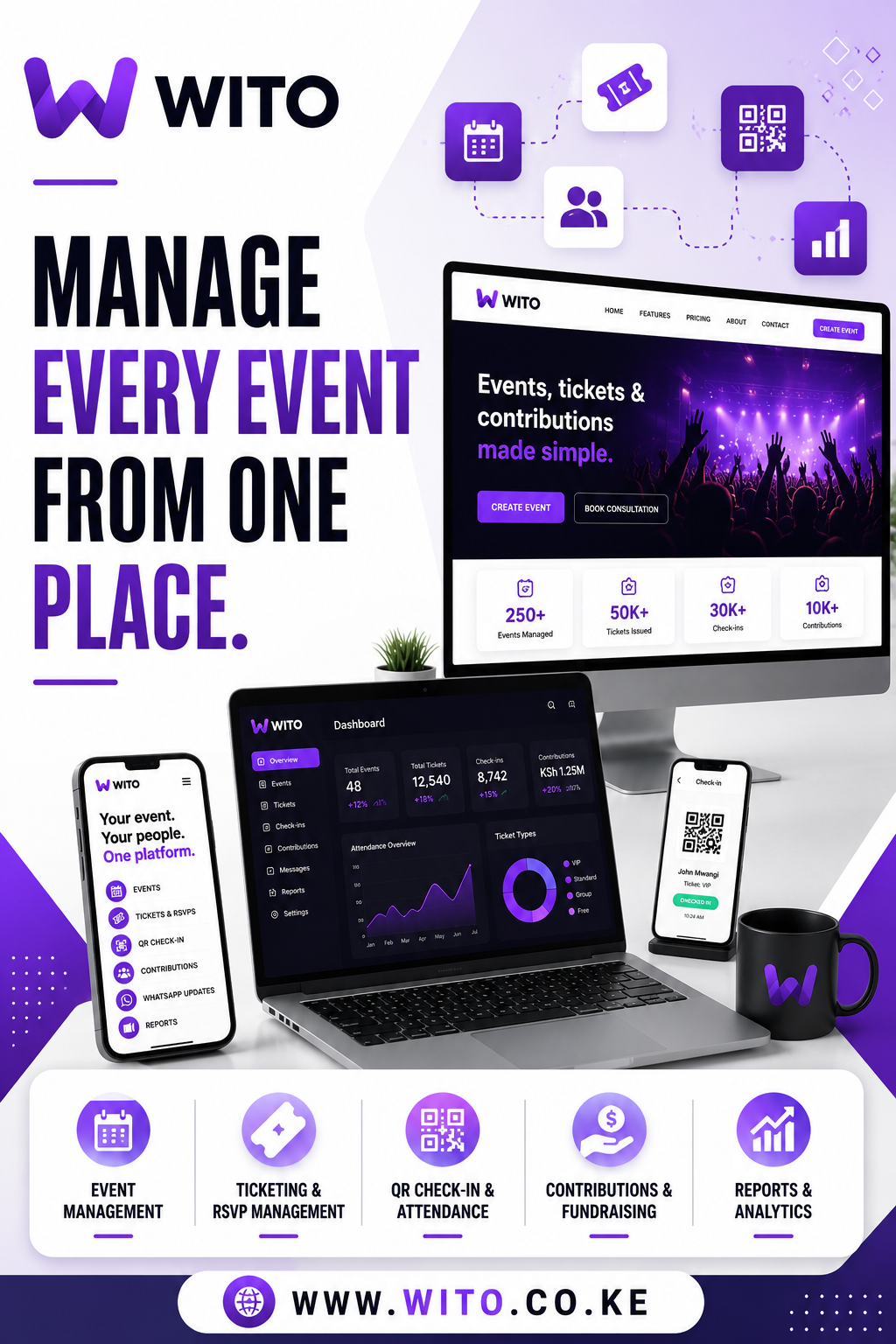
Live concert events have fundamentally reshaped how musicians, promoters, and entertainment organizations connect with audiences across Kenya and the broader East African region. Rather than relying on traditional box office sales or fragmented ticketing approaches, modern live concert events utilize comprehensive digital platforms that handle registration, payment processing, capacity management, and real-time analytics within one integrated ecosystem. Whether you’re a promoter managing music festivals in Nairobi, a venue operator coordinating performances in Mombasa, or an artist organizing touring shows in Kisumu, understanding how to optimize live concert events is essential for maximizing ticket sales, managing venue capacity safely, and delivering exceptional attendee experiences.
The competitive landscape for live concert events has become increasingly sophisticated as digital platforms continue evolving to meet the unique needs of entertainment promoters. Unlike static conferences or one-time corporate events, live concert events require specialized features—artist promotion tools, VIP experience management, merchandise integration, and social media amplification. Today’s platform solutions offer far more than simple ticket sales for live concert events; they integrate seamlessly with local payment systems like M-Pesa, provide mobile-first experiences optimized for Kenya’s network conditions, and deliver analytics revealing audience demographics and preferences that inform future touring decisions.
Table of Contents
- Understanding Live Concert Events
- Why Professional Management Matters
- Core Features for Concert Ticketing
- M-Pesa Integration and Payment Solutions
- Mobile Optimization for Concert Attendees
- Real-Time Capacity and Crowd Management
- Analytics and Audience Insights
- Security, Fraud Prevention, and Safety
- Benefits for Different Concert Organizers
- Implementation Strategy and Next Steps
Part 1: Foundation and Concert Management Infrastructure
Understanding Live Concert Events
Live concert events represent one of the most dynamic segments within Kenya’s entertainment industry, encompassing everything from intimate acoustic performances to large-scale music festivals featuring multiple artists and tens of thousands of attendees. Live concert events require specialized infrastructure addressing unique challenges—high-capacity venues, rapid ticket distribution, real-time crowd management, and dynamic pricing based on artist popularity and event timing.
The ecosystem supporting live concert events includes multiple stakeholders: artists seeking to reach audiences and generate touring revenue, promoters organizing shows and managing logistics, venues providing physical spaces and facilities, technology platforms enabling ticket distribution and crowd management, payment processors facilitating transactions, and millions of music fans purchasing tickets through mobile devices. Understanding how these groups interact reveals opportunities for improving concert organization and attendee experience.
Live concert events span diverse formats and scales. Intimate venue shows with 200-500 attendees require different management approaches than mid-sized theater performances (500-2,000 attendees) or large festival grounds (5,000+ attendees). Professional platforms serving live concert events must accommodate this range through flexible capacity management, tiered pricing, and venue-specific features.
The economic impact of live concert events in Kenya remains substantial but underdeveloped compared to international markets. Successful touring artists gross millions in ticket sales; venues generate significant revenue from ticket commissions and food/beverage sales; promoters profit from coordinating complex events. Yet much of this economic activity remains concentrated in Nairobi, with secondary cities like Mombasa, Kisumu, and Nakuru showing significant untapped potential for live concert events.
Why Professional Management Matters
Event organizers operating live concert events without professional ticketing infrastructure face significant operational and financial challenges that modern platforms specifically address.
Revenue optimization through professional platforms is the most direct benefit for concert promoters. By offering 24/7 ticket sales accessible from anywhere in Kenya, platforms capture sales that would be lost with box office-only ticketing. Customers can purchase concert tickets at 2 AM if they want, and systems instantly deliver their digital credentials. This accessibility increases total revenue by 30-50% for comparable events compared to traditional approaches.
Fraud prevention through modern platforms protects both promoters and attendees attending live concert events. Professional systems use encryption, QR code validation, and fraud detection to prevent counterfeiting, duplicate sales, and ticket scalping—problems that historically plagued concert ticketing in Kenya.
Capacity management and safety become quantifiable through digital platforms. By tracking entries and exits at live concert events in real time, organizers know exactly how many people are inside venues, ensuring compliance with safety regulations and preventing dangerous overcrowding.
Attendee experience improvement creates lasting positive impressions encouraging future concert attendance. Fans appreciate purchasing tickets on their phones, receiving instant confirmation, and accessing concert tickets digitally without loss risk. This positive experience drives repeat attendance and word-of-mouth promotion.
Artist and promoter partnership opportunities emerge when platforms provide comprehensive data about audiences. Artists using concert data to understand fan demographics and geographic distribution can make better touring decisions and target marketing more effectively.
Core Features for Concert Ticketing
When evaluating platforms for managing live concert events, certain features should guide your selection decision based on concert-specific needs.
Dynamic pricing capabilities allow adjusting ticket prices based on real-time demand. As events approach and tickets sell faster, prices can automatically increase, maximizing revenue for live concert events. Early pricing can offer discounts to generate initial momentum and reviews.
Tiered seating and area management for larger venues enable different pricing for different locations—general admission, pit access, reserved seating, VIP experiences with meet-and-greets. This granular management is essential for concert venues with varied seating configurations.
Artist promotion tools built into platforms allow musicians to customize event pages with professional photos, videos, social media links, and artist bios. These tools help live concert events leverage artist fanbase for ticket promotion.
VIP experience management including meet-and-greet packages, exclusive merchandise bundles, and premium seating requires platforms capable of managing complex ticket packages with multiple add-ons.
Waitlisting and FOMO management for sold-out live concert events keeps fans engaged—people can join waitlists and purchase if tickets become available through cancellations.
Social media integration enabling fans to share concert purchases and invite friends amplifies organic promotion for live concert events through peer networks.
Mobile optimization is non-negotiable since nearly all concert ticket purchases occur through mobile devices. Platforms must deliver excellent mobile experiences with fast loading, intuitive navigation, and minimal data usage.
Real-time analytics showing sales velocity, demographic breakdown, and source channel attribution help promoters of live concert events understand which marketing efforts drive ticket sales.
M-Pesa Integration and Payment Solutions
For any platform serving Kenya’s live concert events market, M-Pesa integration is absolutely non-negotiable. M-Pesa dominates financial transactions across Kenya, with millions of concert fans preferring mobile money to credit cards for ticket purchases.
Platforms integrating M-Pesa allow fans to complete concert ticket purchases in seconds. The customer selects their ticket, enters their M-Pesa phone number, confirms the payment prompt on their phone, and instantly receives their digital ticket. This frictionless experience drives higher conversion rates compared to platforms requiring credit card information or complex payment processes.
Beyond M-Pesa, comprehensive platforms supporting live concert events integrate Airtel Money, Equity Bank’s Equitel, and other digital wallet services. This payment diversity ensures ticket platforms capture customers regardless of their preferred payment method.
Bank transfer integration remains important for corporate team purchases and group tickets, allowing accounting documentation and invoice trails that organizations require.
Installment payment options represent an emerging trend for premium concert experiences. By allowing fans to pay for expensive VIP packages across multiple weeks, platforms expand their addressable market—particularly valuable for high-ticket-price concerts.
Mobile Optimization for Concert Attendees
Kenya’s concert audiences purchase virtually all tickets from mobile devices, making mobile optimization critical for platform success serving live concert events.
The best platforms deliver excellent mobile web experiences—fast loading times, intuitive navigation, readable text, and easy checkout processes. Some also provide native mobile applications with additional functionality like offline access, push notifications about venue updates, and integration with phone wallets for digital ticket storage.
Mobile optimization means accommodating Kenya’s variable network conditions. Platforms serving live concert events should load completely even on slow 3G connections, cache essential information for offline access, and sync data when connectivity is restored. Platforms failing on slow connections lose sales from fans with unreliable internet in remote areas.
QR code display must be clear and large enough to scan reliably at concert venue entrances. Apps should prevent screen dimming while codes are displayed and allow users to increase brightness manually for reliable scanning.
Accessibility features ensure concert fans with disabilities can purchase and display their tickets. Screen reader compatibility, high contrast modes, and voice authentication serve users with visual or hearing impairments attending live concert events.
Real-Time Capacity and Crowd Management
One of the most critical features for live concert events is real-time capacity tracking and crowd management to ensure safety.
Entry logging creates an immutable record every time someone enters your concert venue. Rather than relying on staff to manually count attendees, platforms automatically log each scan, capturing timestamp, location, and attendee identity. This creates transparency and enables venue managers to monitor capacity in real time.
Exit tracking provides valuable insights into crowd flow and venue movement patterns. By logging when people leave different areas or exit the venue, organizers gain intelligence about stage positioning, bathroom adequacy, and concession stand efficiency for future live concert events.
Capacity alerts notify organizers when venues approach maximum capacity, allowing door staff to halt ticket sales or direct attendees to alternative areas. This real-time management prevents dangerous overcrowding at popular live concert events.
Heat mapping and crowd density visualization in advanced platforms show organizers exactly where attendees are concentrated within venues, revealing bottlenecks, underutilized areas, and safety risks requiring immediate management attention.
Real-Time Analytics and Audience Insights
Beyond capacity management, platforms serving live concert events generate valuable data about audience behavior and artist popularity.
Sales tracking shows exactly how many concert tickets have sold, which price tiers are most popular, and what revenue has been collected. This real-time visibility allows adjusting marketing spend mid-campaign or closing ticket sales as capacity approaches.
Attendee demographics reveal who is purchasing concert tickets—age distribution, geographic origin, ticket category preferences. This intelligence informs future tour routing decisions and targeted marketing for artists and promoters planning live concert events.
Geographic analysis shows which regions represent strong concert markets and which underperform. Artists can prioritize touring in high-performing regions and plan additional promotion in underperforming markets where potential exists.
Channel attribution shows which marketing channels—social media, email, organic search, influencer partnerships—drive concert ticket sales. This data helps allocate marketing budgets more effectively across multiple promotion channels.
Fan segmentation identifies high-value customers—early purchasers, repeat attendees, VIP buyers—who can be targeted with exclusive offers for future live concert events.
End of Part 1
Part 2: Strategic Implementation and Industry Evolution
Security, Fraud Prevention, and Safety
Professional platforms implementing live concert events include robust security measures protecting both organizers and attendees.
PCI compliance is essential since platforms handle payment information from ticket sales. Reputable platforms maintain Payment Card Industry Data Security Standard certification, ensuring strict protocols for data handling, encryption, and access control during concert ticket transactions.
QR code validity prevents one ticket being used by multiple attendees—a critical fraud prevention measure for live concert events. Once a QR code is scanned at venue entrance, it becomes invalid; attempts to rescan fail immediately.
Device fingerprinting and geographic verification detect if someone is trying to access concert tickets from unusual locations or devices, flagging potentially fraudulent activity for investigation.
Rate limiting prevents brute force attacks where someone repeatedly tries to log in with incorrect passwords or payment credentials attempting to access concert ticketing systems.
Fraud monitoring uses machine learning to identify suspicious transaction patterns—multiple concert ticket purchases from the same payment method in seconds, purchases from geographies where the concert isn’t happening, or other anomalies requiring manual review.
Benefits for Different Concert Organizers
Different types of concert organizers derive different value from professional ticketing platforms for live concert events.
Individual artists and touring musicians use platforms to reach fans directly, building email lists, and controlling how concert information is presented. Artists appreciate data showing where fans are concentrated geographically and which marketing channels drive ticket sales.
Music promoters and event companies use platforms to coordinate multiple live concert events efficiently, manage artist relationships, and handle complex logistics. Promoters value integrated solutions reducing manual coordination across channels.
Venue operators and concert halls use platforms to manage their event calendar, optimize pricing based on artist popularity and show timing, and understand audience preferences driving future bookings.
Festival organizers managing multiple artists and complex ticketing for live concert events appreciate platforms with sophisticated features—multiple pricing tiers, area management, artist-specific pages, and comprehensive analytics.
Music labels and artist management companies use platform data to understand touring success, fan engagement, and revenue contribution from live performances, informing artist development strategy.
Implementation Strategy
Selecting and implementing professional platforms for live concert events requires careful strategic planning.
Step 1: Assess Current Operations — Understand how you currently manage concert ticketing and promotion. What pain points exist? How much time goes to manual coordination? What revenue are you potentially losing from limited distribution?
Step 2: Define Success Metrics — Clarify what success looks like. Is it increasing total ticket revenue? Reducing administrative burden? Improving fan experience? Understanding your success metrics should drive platform selection.
Step 3: Evaluate Platform Options — Research platforms available in Kenya, focusing on those with experience serving live concert events and artists. Read reviews from concert promoters and venue operators similar to your operation.
Step 4: Request Trials — Most providers offer trials. Use these to coordinate actual live concert events and experience platforms from both organizer and attendee perspectives before committing.
Step 5: Check Integration Needs — Confirm platforms integrate with tools you already use—email marketing systems, accounting software, artist management CRM platforms. Integration complexity can derail implementations.
Step 6: Negotiate Pricing — Understand platform pricing thoroughly—transaction fees, subscription costs, feature add-ons. For high-volume concert promoters, negotiating volume discounts can dramatically reduce total costs.
Step 7: Plan Implementation Timeline — Schedule implementation to minimize disruption. Most promoters pilot platforms with one concert, learn from experience, and expand to additional live concert events progressively.
Step 8: Train Your Team — Ensure your team understands platform features, concert event configuration, attendee management, and reporting. Quality platforms offer training resources; utilize them fully.
Future Evolution of Concert Management Technology
The landscape around live concert events continues evolving rapidly with several emerging trends reshaping platform capabilities.
Virtual and hybrid concert experiences will enable live concert events to reach audiences beyond physical venues. Platforms integrating streaming, VIP virtual seating, and digital merchandise will expand concert reach and revenue potential.
Fan engagement tools including photo uploads, social media tagging, and post-concert communities powered by ticket credentials will extend live concert events value beyond attendance.
Artist collaboration features enabling musicians to coordinate multi-artist live concert events, split revenue, and manage complex tour logistics through unified platforms will simplify festival and touring coordination.
Blockchain-based ticketing for live concert events will provide permanent attendance verification and enable NFT-based fan collectibles, creating new revenue streams for artists and platforms.
Artificial intelligence analyzing concert data will enable predictive analytics—forecasting ticket sales, identifying optimal pricing, and recommending tour routing for artists planning live concert events.
Why Professional Platforms Matter for Kenya’s Concert Industry
For Kenya’s live music and entertainment sector, professional ticketing platforms have become essential infrastructure rather than optional convenience.
The concert industry in Kenya remains underdeveloped compared to international markets, with significant revenue opportunities untapped in secondary cities and rural areas. Professional platforms democratize concert promotion, allowing independent artists and smaller promoters to reach audiences previously accessible only to large organizations with marketing budgets.
Maximizing Concert Success
To maximize success from professional platforms serving live concert events, organizers should:
Leverage artist data to understand fan demographics and geographic distribution, informing future tour routing and marketing targeting for live concert events.
Analyze sales velocity to understand which promotion tactics drive ticket purchases, allowing budget reallocation toward highest-performing channels.
Segment fan audiences using platform data to create targeted communications for different attendee groups and repeat concert attendees.
Track artist collaboration opportunities by analyzing which artists’ fans show overlap, suggesting potential tour partnerships or festival lineups for future live concert events.
Measure economic impact by comparing concert ticket data with artist revenue, venue profitability, and broader community economic effects of hosting live concert events.
Conclusion
Professional platforms have transformed how live concert events are organized, promoted, and managed across Kenya’s entertainment industry. By providing secure ticketing, real-time capacity management, payment processing, and comprehensive analytics, these platforms enable promoters, venues, and artists to operate professionally while maximizing revenue and attendee experience.
Whether organizing intimate venue shows, mid-sized theater performances, or large festival grounds, selecting the right platform is fundamental to success in managing live concert events. The right solution should reflect your concert operation’s specific needs—artist reach, venue capacity, geographic focus, and growth ambitions. Platforms that understand Kenya’s market and integrate seamlessly with local payment systems often outperform generic international solutions for organizing live concert events.
As Kenya’s entertainment industry continues professionalizing and digitizing, organizations implementing robust ticketing solutions for live concert events will operate more securely, efficiently, and profitably than competitors relying on outdated methods. Professional concert ticketing is an investment in event quality, artist revenue, attendee experience, and industry growth that delivers measurable returns across multiple dimensions.