How a Live Event in Kenya Can Achieve Maximum Impact Through Professional Management
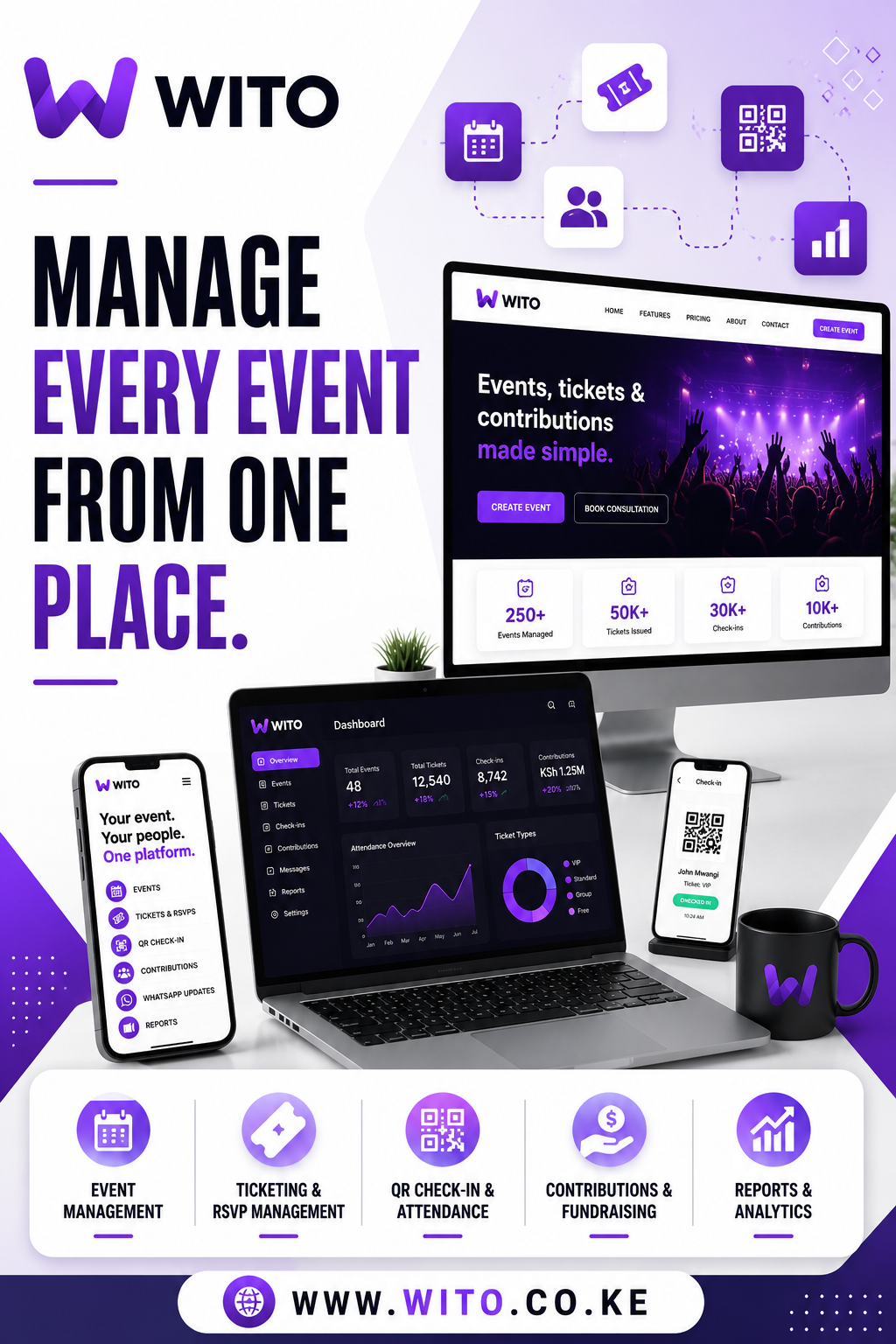
A live event in Kenya has become increasingly sophisticated as digital platforms transform how events are organized, promoted, and managed across the country. Rather than relying on traditional manual processes, a successful live event in Kenya now requires professional infrastructure that handles registration, payment processing, attendee verification, and real-time analytics within one integrated system. Whether you’re planning a corporate conference in Nairobi, coordinating a church fundraiser in Kisumu, or managing a school celebration in Mombasa, understanding how to execute a professional live event in Kenya is essential for maximizing attendance, ensuring safety, and delivering exceptional experiences that attendees remember.
The landscape for hosting a live event in Kenya has transformed dramatically over the past five years as digital adoption accelerated and mobile payment systems became ubiquitous. Today’s event organizers have access to professional tools and platforms that were previously available only to large organizations with substantial budgets. This democratization means that organizers of any size—from community groups to multinational corporations—can now execute a live event in Kenya with the same professionalism and data-driven approach used by world-class event companies globally.
Table of Contents
- Understanding Live Event Planning in Kenya
- Why Professional Event Management Matters
- Core Infrastructure for Modern Events
- Payment Solutions and M-Pesa Integration
- Mobile-First Attendee Experience
- Real-Time Analytics and Reporting
- Security and Compliance Standards
- Venue Management and Logistics
- Post-Event Strategy and Follow-Up
- Implementation and Getting Started
Part 1: Foundation and Event Planning
Understanding Live Event Planning in Kenya
Planning a live event in Kenya involves navigating a unique landscape shaped by Kenya’s specific market conditions, attendee expectations, and infrastructure capabilities. Unlike events in developed markets with mature digital ecosystems, a live event in Kenya requires understanding local payment preferences, network conditions, and cultural considerations that determine event success.
The ecosystem supporting any live event in Kenya includes multiple stakeholder groups: event organizers managing logistics and strategy, digital platforms providing ticketing and management infrastructure, payment processors facilitating financial transactions, venue operators providing physical spaces, staff coordinating on-site operations, and millions of Kenyan attendees purchasing tickets through mobile devices. Understanding how these groups interact reveals opportunities for improving event outcomes and attendee satisfaction.
A well-executed live event in Kenya spans diverse formats and scales. Intimate workshops with 50-200 attendees require different management approaches than mid-sized corporate conferences (200-2,000 attendees) or large community gatherings (2,000+ attendees). Professional platforms supporting any live event in Kenya must accommodate this range through flexible capacity management, scalable pricing, and venue-specific features addressing different event types.
The economic impact of a successful live event in Kenya extends beyond immediate ticket revenue to encompassing broader economic benefits. Venues generate revenue from venue rentals, food and beverage sales, and merchandise; service providers benefit from catering, transportation, and equipment needs; local businesses gain from attendee spending before and after events; and organizers build valuable attendee relationships driving future events and business opportunities.
Why Professional Event Management Matters
Organizers managing a live event in Kenya without professional infrastructure face significant operational and financial challenges that modern platforms specifically address.
Revenue optimization through professional management is the most direct benefit for any organizer planning a live event in Kenya. By offering 24/7 ticketing accessible from anywhere in the country, professional platforms capture sales that would be lost with box office-only approaches. Customers can purchase tickets at any hour, and systems instantly deliver their digital credentials. This accessibility increases total revenue by 25-40% for comparable events compared to traditional methods.
Fraud prevention protects both the organizer and attendees of a live event in Kenya. Professional systems use encryption, QR code validation, and fraud detection preventing counterfeiting, duplicate sales, and ticket scalping—problems that have historically plagued event ticketing in Kenya.
Operational efficiency reduces administrative burden dramatically. Rather than manually checking attendance, verifying tickets, and recording data, staff at a modern live event in Kenya simply scan QR codes. The platform handles verification instantly, freeing your team to focus on attendee experience.
Data collection and insights from a live event in Kenya reveal who attended, when they registered, which marketing channels brought them, and how they engaged with different sessions or areas. This intelligence directly informs future event strategy and marketing decisions.
Safety and compliance become quantifiable through digital platforms. By tracking entries and exits at a live event in Kenya in real time, organizers know exactly how many people are inside, ensuring compliance with safety regulations and preventing overcrowding.
Core Infrastructure for Modern Events
When planning a live event in Kenya, certain infrastructure elements should guide your platform and vendor selections.
Registration and ticketing systems form the foundation of a live event in Kenya. Modern systems allow creating different ticket categories, setting tiered pricing, managing group discounts, and implementing early bird promotions. This flexibility helps optimize revenue while managing demand throughout the sales period.
Payment processing capabilities are critical for a live event in Kenya. Platforms must integrate M-Pesa, Kenya’s dominant payment method, alongside bank transfers, mobile money alternatives, and credit cards. Supporting multiple payment methods ensures you capture customers regardless of their preferred payment channel.
Mobile optimization is non-negotiable for a live event in Kenya since nearly all ticket purchases occur through mobile devices. Platforms must deliver excellent mobile experiences with fast loading, intuitive navigation, and minimal data usage—essential for reaching audiences across Kenya’s varied network conditions.
Check-in and verification systems manage entry at venue doors. Modern approaches use QR codes scanned through mobile apps, preventing fraud while maintaining fast throughput even for large events. Systems should work offline to accommodate venues with unreliable internet.
Attendee communication platforms coordinate pre-event reminders, day-of logistics, and post-event follow-up. Automated messaging keeps attendees engaged throughout the event lifecycle without requiring manual effort for each message.
Analytics and reporting provide visibility into event performance, attendee demographics, and financial results. Real-time dashboards allow monitoring sales velocity and making mid-campaign adjustments for a live event in Kenya.
Payment Solutions and M-Pesa Integration
For any live event in Kenya, M-Pesa integration is absolutely essential for success. M-Pesa dominates financial transactions across Kenya, with millions of potential attendees preferring mobile money to credit cards for purchases.
Platforms integrating M-Pesa allow attendees to complete purchases in seconds. The customer selects their ticket, enters their M-Pesa phone number, confirms the payment on their phone, and instantly receives their digital ticket. This frictionless experience drives significantly higher conversion rates compared to platforms requiring credit card information or complex payment processes.
Beyond M-Pesa, comprehensive platforms supporting a live event in Kenya integrate Airtel Money, Equity Bank’s Equitel, and other digital wallet services. This payment diversity ensures you capture attendees regardless of their preferred payment method.
Bank transfer integration remains important for corporate and institutional purchases requiring accounting documentation and invoice trails. Many organizations prefer bank transfers for audit and compliance purposes.
Installment payment options represent an emerging trend for premium events. By allowing attendees to pay for expensive tickets across multiple weeks, platforms expand the addressable market—particularly valuable for high-ticket-price events where affordability barriers prevent purchase.
Mobile-First Attendee Experience
Kenya’s event attendees access ticketing and event information almost exclusively through mobile devices, making mobile optimization critical for any live event in Kenya.
The best platforms deliver excellent mobile web experiences—fast loading times, intuitive navigation, readable text, and straightforward checkout processes. Most also provide native mobile applications with features like offline access, push notifications, and digital ticket storage for convenient access at venues.
Mobile optimization must accommodate Kenya’s variable network conditions. Platforms serving a live event in Kenya should load completely even on slow 3G connections, cache essential information for offline access, and sync data when connectivity is restored. Platforms failing on slow connections lose sales from attendees with unreliable internet in remote areas.
QR code display must be clear and large enough to scan reliably at event entrances. Mobile apps should prevent screen dimming while codes are displayed and allow users to increase brightness manually.
Accessibility features ensure event attendees with disabilities can purchase and access their tickets through a live event in Kenya. Screen reader compatibility, high contrast modes, and keyboard navigation serve users with visual or hearing impairments.
Real-Time Analytics and Reporting
One of the most valuable benefits of professional management for a live event in Kenya is access to real-time analytics revealing event performance and attendee behavior.
Sales tracking shows exactly how many tickets have sold, which categories are most popular, and what revenue has been collected. This real-time visibility allows adjusting marketing spend mid-campaign or extending early bird periods if sales pace is slower than expected.
Attendee demographics reveal who is registering for a live event in Kenya. Are most attendees from Nairobi or distributed nationwide? What’s the age and gender distribution? Which organizations do they represent? This intelligence informs marketing strategy and venue selection for future events.
Geographic distribution shows which regions are purchasing tickets most actively. This information helps organizers plan marketing efforts targeting underperforming regions and reinforcing promotion in high-performing areas.
Conversion analysis identifies where potential attendees drop out during the ticket purchase process. Are people viewing events but not purchasing? Selecting tickets but abandoning checkout? Understanding these friction points helps optimize the buying experience.
Channel attribution shows which marketing channels—social media, email, organic search, referrals—drive the most ticket sales. This data enables allocating marketing budgets more effectively across channels.
End of Part 1
Part 2: Strategic Execution and Future Direction
Security and Compliance Standards
Professional management of a live event in Kenya includes robust security measures protecting both organizers and attendees.
PCI compliance is essential since payment platforms handle sensitive financial information. Reputable providers maintain Payment Card Industry Data Security Standard certification, ensuring strict protocols for data handling, encryption, and access control.
QR code validity prevents one ticket from being used by multiple attendees. Once a QR code is scanned at venue entrance, it becomes invalid; attempts to rescan fail immediately. This critical fraud prevention measure protects event integrity.
Encryption standards protect all sensitive data moving through ticketing systems. Data in transit uses TLS encryption, and sensitive information stored in databases is encrypted at rest.
Data privacy compliance with Kenya’s Data Protection Act requires platforms clearly communicate what data is collected, how it’s used, and how attendees can control their information. Quality platforms maintain transparent privacy policies.
Fraud monitoring uses machine learning identifying suspicious transaction patterns—multiple purchases from the same payment method in seconds, purchases from geographies where the event isn’t happening—flagging anomalies for manual review.
Venue Management and Logistics
Executing a professional live event in Kenya requires coordinating multiple venue and logistical elements beyond ticketing.
Capacity management tracks real-time attendance throughout the event, ensuring venues operate safely and comply with licensing regulations. Real-time entry/exit logging enables organizers to monitor crowd density and make adjustments.
Parking and transportation coordination helps attendees reach venues reliably. Providing parking information and public transit directions through event communications reduces friction and improves attendee experience.
Accessibility accommodations ensure attendees with disabilities can participate fully. Professional event management includes wheelchair access, seating for mobility-impaired attendees, and facilities accommodating various accessibility needs.
Catering and facilities coordination ensures adequate food, beverages, restrooms, and comfort amenities. Real-time attendance data helps organizers right-size catering and facilities based on actual attendance.
Staff coordination through digital platforms streamlines communication and task management. Digital checklists, communication channels, and timeline management keep teams aligned throughout event execution.
Post-Event Strategy and Follow-Up
A comprehensive live event in Kenya extends beyond the day of the event to include strategic post-event engagement.
Attendee feedback collection through surveys and digital feedback forms reveals what worked well and what needs improvement. This input directly informs planning for future events.
Thank you and relationship building communications maintain relationships with attendees, encouraging future attendance and word-of-mouth promotion. Automated thank you messages, photos from the event, and exclusive content keep attendees engaged.
Data analysis and insights from the event—attendance patterns, popular sessions, demographic distributions—inform strategy for future events. Organizers who systematically analyze event data improve outcomes over time.
Attendee segmentation using event data enables targeted communications for different audience groups. VIP attendees receive premium content; frequent attendees get special offers; inactive attendees receive re-engagement campaigns.
Email list building through event registrations creates marketing assets enabling future audience outreach. Regular newsletters sharing updates, upcoming events, and exclusive content maintain engagement between events.
Implementation and Getting Started
Executing a successful live event in Kenya requires strategic planning and thoughtful execution.
Step 1: Define Your Event Vision — Clarify what you want to achieve. Is it revenue generation, community engagement, brand building, or content delivery? Your primary objective should guide subsequent decisions.
Step 2: Select Your Venue — Choose a location that matches your expected attendance, provides necessary facilities, and is accessible to your target audience. Consider parking, public transportation, and accessibility for attendees with disabilities.
Step 3: Choose Your Platform — Select a ticketing and management platform matching your event needs. Platforms like Wito specialize in Kenya’s market with M-Pesa integration and local support. Request trials and test platforms with actual event planning.
Step 4: Plan Your Marketing — Develop marketing strategy identifying your target audience and channels for reaching them. Allocate budget across multiple channels and track which drive the most ticket sales.
Step 5: Coordinate Logistics — Manage venue, catering, transportation, security, and staff coordination. Use digital tools keeping everyone aligned throughout planning and execution.
Step 6: Train Your Team — Ensure all staff understand their responsibilities, event timelines, and how to use technology platforms for check-in and crowd management.
Step 7: Execute Day-Of — Arrive early to test systems, brief staff, and make final preparations. Monitor real-time analytics throughout the event and adjust as needed.
Step 8: Follow Up — Collect feedback, analyze data, thank attendees, and plan improvements for your next event based on lessons learned.
Why Events Matter for Kenya’s Economy and Community
Professional event management supports Kenya’s broader economic and social development. Well-executed events generate direct revenue for organizers, venues, and service providers; create employment opportunities; build community engagement and social bonds; and provide platforms for learning, networking, and business development.
Conclusion
Executing a professional live event in Kenya requires understanding local market dynamics, leveraging appropriate technology platforms, and managing complex logistics with attention to detail. By implementing professional infrastructure for ticketing, payment processing, attendee management, and data analytics, organizers of any size can execute world-class events rivaling international standards.
Whether planning corporate conferences, community celebrations, educational workshops, or entertainment experiences, success in executing a live event in Kenya depends on selecting appropriate platforms, understanding your audience, and continuously improving based on data and feedback. Organizations investing in professional event management will operate more securely, efficiently, and profitably than competitors relying on outdated methods.
As Kenya’s event industry continues professionalizing and digitalizing, the distinction between professional and amateur event management becomes increasingly pronounced. Organizers embracing modern platforms and data-driven approaches will dominate their categories while creating exceptional experiences that attendees remember and enthusiastically recommend to others.
Conclusion
Executing a professional live event in Kenya requires understanding local market dynamics, leveraging appropriate technology platforms, and managing complex logistics with attention to detail. By implementing professional infrastructure for ticketing, payment processing, attendee management, and data analytics, organizers of any size can execute world-class events rivaling international standards.
Whether planning corporate conferences, community celebrations, educational workshops, or entertainment experiences, success in executing a live event in Kenya depends on selecting appropriate platforms, understanding your audience, and continuously improving based on data and feedback. Organizations investing in professional event management will operate more securely, efficiently, and profitably than competitors relying on outdated methods.
As Kenya’s event industry continues professionalizing and digitalizing, the distinction between professional and amateur event management becomes increasingly pronounced. Organizers embracing modern platforms and data-driven approaches will dominate their categories while creating exceptional experiences that attendees remember and enthusiastically recommend to others.