Conference and Event Management Software: Unified Platforms for Complex Event Operations
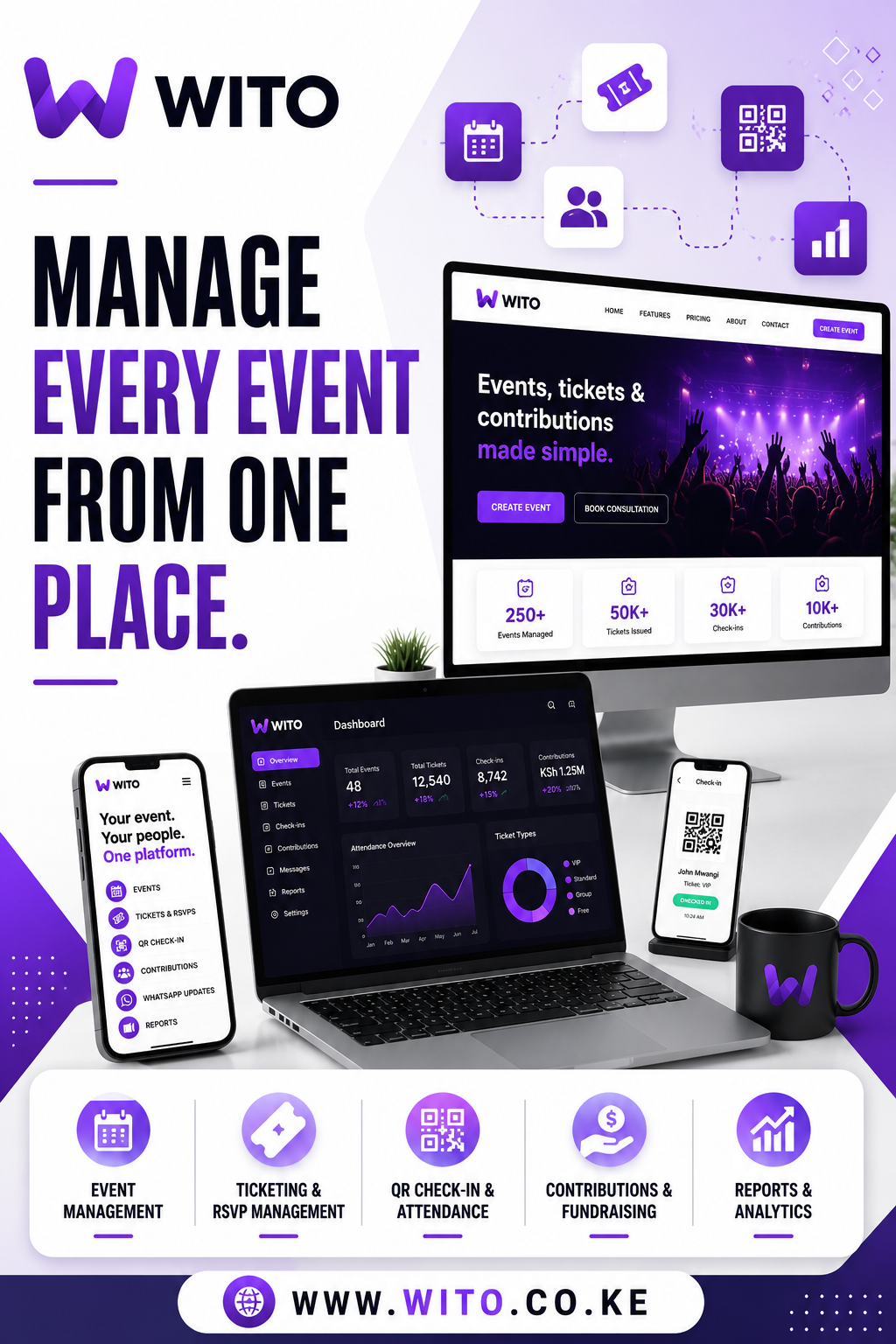
Conference and event management software has become the operational nerve center for professional gatherings. Managing conferences and events involves dozens of simultaneous workflows—speaker coordination, session scheduling, attendee registration, payment collection, venue logistics, real-time communication, attendee engagement, and post-event analytics. Without integrated systems, these workflows collapse into chaos: speaker schedules conflict, attendees register for overlapping sessions, communication gets lost in email threads, venue capacity is overbooked, and post-event reporting takes weeks.
Modern conference and event management software consolidates all these operations into unified platforms where speakers submit abstracts, attendees register and manage agendas, organizers coordinate logistics in real-time, and analytics flow automatically. This transformation isn’t marginal—conference and event management software is the difference between events that run smoothly and events that generate crisis management stories.
Table of Contents
- Why Unified Conference and Event Management Solutions Matter
- Core Architecture of Modern Platforms
- Speaker Management and Content Coordination
- Attendee Registration and Ticketing Systems
- On-Site Operations and Mobile Integration
- Engagement Tools and Networking Features
- Analytics, Measurement, and ROI Reporting
- Selecting and Implementing Your Platform
Why Unified Conference and Event Management Solutions Matter
The conference and events industry has grown exponentially. In Kenya alone, thousands of conferences, corporate meetings, seminars, and professional gatherings happen annually. Each event involves multiple stakeholders with competing priorities: speakers want clear logistics, attendees want valuable content and networking, organizers want smooth operations and revenue tracking, sponsors want measurable ROI, and venues want efficient resource utilization.
Without integrated systems, these priorities conflict and create operational friction. Speakers don’t know their exact timing or room assignment until days before the conference. Attendees receive conflicting information about session times and room changes. Organizers juggle spreadsheets tracking speaker confirmations, attendee registrations, and venue logistics. Sponsors have no visibility into lead generation or attendee engagement. Post-event, pulling together results takes weeks.
Conference and event management software eliminates this friction by creating a single source of truth. When organizers update speaker timing, attendees see the change instantly in their app. When a venue room becomes unavailable, the system automatically reschedules sessions and notifies affected stakeholders. When sponsors want to know which attendees visited their booth, that data is available in real-time dashboards. This unified approach transforms event operations from reactive firefighting to proactive orchestration.
Core Architecture of Modern Platforms
Conference and event management software operates as integrated ecosystems rather than disconnected tools. Understanding platform architecture clarifies what you’re buying.
Cloud-Based Infrastructure – Modern solutions run entirely on cloud infrastructure (AWS, Google Cloud, Microsoft Azure). This eliminates server maintenance, enables global scalability, and ensures automatic backups and disaster recovery. Cloud architecture means you access the platform from anywhere, your data is always backed up, and the vendor handles all infrastructure complexity.
Modular Feature Architecture – Rather than monolithic systems where all features are bundled, modern platforms use modular architecture. You activate the modules you need: speaker management, attendee registration, ticketing, mobile apps, networking features, analytics, and integrations. This flexibility means you pay for what you use and aren’t forced to license unused features.
API-First Design – Enterprise conference and event management software exposes APIs allowing custom integrations with your other business systems: CRM, accounting software, email marketing platforms, and venue management systems. API-first architecture means you’re not locked into the vendor’s ecosystem—you can build custom workflows connecting the platform to your existing tech stack.
Multi-Tenant Architecture – The software serves thousands of concurrent event organizers (you’re one of many). Multi-tenant architecture means the vendor maintains one codebase serving all users, enabling rapid feature development and cost efficiency that gets passed to customers through affordable pricing.
Role-Based Access Control – Different users need different permissions. Speakers should see their session details but not registration data. Organizers should manage all operations. Finance staff should access revenue reports. Attendees should only see their personal data. Robust access control prevents unauthorized data access while enabling collaboration.
Speaker Management and Content Coordination
Speakers are the lifeblood of conferences. Managing speakers is where conference and event management software delivers concrete value.
Speaker Portal and Recruitment – Organizers launch calls for speakers through integrated portals. Potential speakers submit proposals with abstracts, speaker bios, audio/visual requirements, and topic preferences. The system tracks all submissions, ranks them by your criteria, and maintains permanent audit trails of decisions. Speaker recruitment that previously consumed months of email coordination becomes streamlined workflow.
Session Scheduling and Conflict Prevention – Once speakers are confirmed, scheduling requires balancing dozens of constraints: speaker availability, room capacity, audience size estimates, parallel track logic, and venue capabilities. Conference and event management software automates conflict detection—flagging if you accidentally schedule the same speaker twice, assign incompatible rooms, or create unreasonable transition times between sessions.
Speaker Communication and Coordination – The system sends automated messages at key milestones: proposal acceptance, slide submission deadlines, final speaker confirmations, attendee rosters for their sessions, last-minute logistics, and post-event thank-yous. This automation keeps speakers informed without manual message composition.
Real-Time Speaker Status Dashboard – On event day, organizers see which speakers have checked in, which are running late, which have technical issues, and which sessions are understaffed. This real-time visibility enables rapid response to problems before they cascade.
Speaker Performance Tracking – Post-event, attendees rate sessions immediately. This data aggregates by speaker, showing which presenters resonated with audiences. Speaker feedback becomes part of evaluation data for future invitations.
Attendee Registration and Ticketing Systems
Registration is where conference revenue begins. Effective ticketing requires flexibility that accommodates diverse attendee categories and pricing models.
Flexible Ticket Type Management – Most conferences offer multiple ticket tiers: early-bird discounts, professional passes, student discounts, one-day passes, exhibitor badges, media credentials, VIP access. Advanced software manages unlimited ticket types with time-based pricing (rates that change on specific dates), dynamic pricing (rates that increase as event approaches), and promo codes for specific groups or partners.
Multi-Currency and Local Payment Methods – For Kenyan conferences, conference and event management software must handle M-Pesa (primary payment method), bank transfers, and potentially card payments. The platform manages currency conversion, payment reconciliation, and attendee notifications in their chosen payment method.
Group and Organizational Registration – Corporate attendees register groups (5–50 people from one company). Dedicated portals allow company coordinators to manage their team’s registrations, with group discounts and consolidated billing. This dramatically simplifies registration for large organizational delegations.
Customizable Registration Data Collection – Different conferences need different information. Some require job title and company (for networking), others ask interests and research areas, others capture dietary restrictions. Flexible registration forms capture exactly what you need without overwhelming attendees with irrelevant questions.
Automated Registration Workflows – When attendees register, the system automatically sends confirmation emails, QR codes for check-in, app download links, pre-conference recommendations, and hotel partner information. No staff manual intervention needed.
On-Site Operations and Mobile Integration
The conference app is where abstract concepts become concrete attendee experience. Modern conference and event management software prioritizes mobile as the primary interface.
Attendee Mobile Apps – Registrants download conference apps showing personalized agendas, session descriptions, speaker bios, venue maps with real-time wayfinding, and networking profiles. The app becomes attendees’ conference companion—their guide through the event.
QR Code Check-In at Registration – Organizers scan attendee QR codes as they arrive, marking attendance instantly. Check-in is fast (seconds per attendee), accurate (no manual entry errors), and provides live attendance visibility on organizer dashboards.
Speaker and Staff Apps – Not just attendees get apps. Speakers see session schedules and attendee rosters. Staff coordinators see task assignments and routing. Volunteers see booth assignments and scheduling. Different role-based apps ensure everyone has information needed for their responsibilities.
Sponsor and Exhibitor Portals – Sponsors access dedicated interfaces showing booth assignments, lead retrieval tools (attendee contact information captured when visiting their booth), attendee demographic reports, and networking introductions with target audience members.
Real-Time Program Updates – Room changes, speaker delays, session cancellations, and lightning talks added last-minute. The app pushes updates instantly, ensuring everyone has current information without reliance on printed programs or repeated verbal announcements.
Engagement Tools and Networking Features
Modern conferences aren’t just content delivery—they’re about connections. Effective platforms embed networking and engagement features that transform passive attendance into active participation.
AI-Powered Attendee Matching – The platform analyzes attendee profiles (job title, company, industry, interests, geography) and suggests networking matches. Attendees discover people they want to meet, request meetings, and schedule 1:1 conversations during breaks. The system prevents double-booking and sends reminders.
Live Polling and Audience Interaction – During sessions, organizers launch live polls showing audience sentiment in real-time. Attendees submit questions via the app, organizers moderate the queue, and speakers answer the most popular questions. This transforms passive sessions into interactive experiences.
Gamification and Engagement Mechanics – Badges for attending sessions, achievements for networking meetings, leaderboards for active participants, and social sharing integration encourage participation. Engagement data shows organizers which attendees are most active, informing VIP identification and follow-up.
Social Media Integration – The platform integrates Twitter/X, LinkedIn, and Instagram, allowing attendees to share insights and tag speakers. Organizers monitor conference hashtags, surface trending conversations, and amplify social engagement.
Networking Lounge and Virtual Spaces – For hybrid conferences, dedicated virtual networking spaces allow remote attendees to participate in discussions, breakout rooms, and one-on-one meetings with in-person and remote participants.
Analytics, Measurement, and ROI Reporting
Post-conference, organizers need comprehensive insights. Modern platforms consolidate data into dashboards and reports that drive decision-making.
Real-Time Operational Dashboards – Throughout the conference, organizers see live metrics: total check-ins by hour, session occupancy rates, speaker arrival status, networking engagement, and booth traffic. This visibility enables real-time adjustments if bottlenecks or problems emerge.
Post-Conference Analytics – After events close, comprehensive reports show: total attendance by ticket type, session-by-session attendance and ratings, speaker performance metrics, attendee engagement (app usage, networking connections made, sessions attended per person), and geographic and demographic distribution.
Sponsor ROI Reporting – Exhibitors see leads captured (attendees who scanned their booth), lead quality metrics (titles and companies of visitors), booth traffic patterns, and attendee engagement with sponsor content. This data justifies sponsor investment and informs partnerships.
Speaker and Content Feedback – Immediate post-session surveys capture attendee ratings and qualitative feedback. Aggregated data reveals which presenters resonated and which formats need adjustment, driving continuous improvement.
Attendee Satisfaction and NPS – Comprehensive post-conference surveys measure overall satisfaction, likelihood to recommend (Net Promoter Score), and satisfaction across dimensions (content quality, networking opportunities, logistics, venues). Tracking NPS across conference runs shows whether satisfaction is improving.
Selecting and Implementing Your Platform
Adopting conference and event management software requires strategic planning and stakeholder alignment.
Needs Assessment and Requirements Definition – Before demos, clarify your specific needs: How many attendees? How many sessions and speakers? Do you need hybrid capabilities? Which integrations matter most (CRM, email, accounting)? Clear requirements guide platform evaluation.
Vendor Evaluation and Comparison – Demo multiple solutions with key stakeholders (event coordinator, finance lead, IT contact, and if possible, a past attendee). Evaluate ease of use, feature depth, local payment integration quality, customer support quality, and pricing transparency. Check references with other African conference organizers.
Pricing and Contract Negotiation – Understand vendor pricing models: subscription (most common), per-attendee fees, transaction fees (payment processing), or hybrid models. Negotiate contract terms including support availability, SLA commitments, data ownership, and migration assistance if you eventually switch platforms.
Configuration and Customization – Work with vendors to configure platforms for your conference: which data fields to capture, payment methods accepted, speaker workflows, attendee registration pathways, report templates. Most configuration is self-service, but complex customization may require vendor support.
Data Migration and Testing – If migrating from existing systems, plan data migration timelines and verify accuracy post-migration. Conduct dry-run tests with all workflows before your first production event on the new platform.
Staff Training and Documentation – Train all users: event coordinators (full system access), content managers (speaker management), finance staff (payment and revenue), and leadership (dashboards). Create written guides and video tutorials for ongoing reference.
Pilot Event and Refinement – Run your first event as a complete test. Identify process gaps, confusing workflows, and training needs. Adjust based on feedback before deploying to larger, higher-stakes events.
Conference and Event Management Software: Complete Solution for Professional Gatherings
SEO Metadata
Focus Keyword: conference and event management software
Meta Description: Discover comprehensive conference and event management software for coordinating professional conferences, corporate events, and large-scale gatherings. Features include speaker management, attendee networking, and real-time analytics.
Slug: conference-and-event-management-software
Target Audience: Conference organizers, corporate event planners, association leaders, venue managers, and event production teams in Kenya and globally
H1: Conference and Event Management Software: Unified Platforms for Complex Event Operations
Conference and event management software has become the operational nerve center for professional gatherings. Managing conferences and events involves dozens of simultaneous workflows—speaker coordination, session scheduling, attendee registration, payment collection, venue logistics, real-time communication, attendee engagement, and post-event analytics. Without integrated systems, these workflows collapse into chaos: speaker schedules conflict, attendees register for overlapping sessions, communication gets lost in email threads, venue capacity is overbooked, and post-event reporting takes weeks.
Modern conference and event management software consolidates all these operations into unified platforms where speakers submit abstracts, attendees register and manage agendas, organizers coordinate logistics in real-time, and analytics flow automatically. This transformation isn’t marginal—conference and event management software is the difference between events that run smoothly and events that generate crisis management stories.
Table of Contents
Why Unified Conference and Event Management Solutions Matter
Core Architecture of Modern Platforms
Speaker Management and Content Coordination
Attendee Registration and Ticketing Systems
On-Site Operations and Mobile Integration
Engagement Tools and Networking Features
Analytics, Measurement, and ROI Reporting
Selecting and Implementing Your Platform
Why Unified Conference and Event Management Solutions Matter
The conference and events industry has grown exponentially. In Kenya alone, thousands of conferences, corporate meetings, seminars, and professional gatherings happen annually. Each event involves multiple stakeholders with competing priorities: speakers want clear logistics, attendees want valuable content and networking, organizers want smooth operations and revenue tracking, sponsors want measurable ROI, and venues want efficient resource utilization.
Without integrated systems, these priorities conflict and create operational friction. Speakers don’t know their exact timing or room assignment until days before the conference. Attendees receive conflicting information about session times and room changes. Organizers juggle spreadsheets tracking speaker confirmations, attendee registrations, and venue logistics. Sponsors have no visibility into lead generation or attendee engagement. Post-event, pulling together results takes weeks.
Conference and event management software eliminates this friction by creating a single source of truth. When organizers update speaker timing, attendees see the change instantly in their app. When a venue room becomes unavailable, the system automatically reschedules sessions and notifies affected stakeholders. When sponsors want to know which attendees visited their booth, that data is available in real-time dashboards. This unified approach transforms event operations from reactive firefighting to proactive orchestration.
Core Architecture of Modern Platforms
Conference and event management software operates as integrated ecosystems rather than disconnected tools. Understanding platform architecture clarifies what you’re buying.
Cloud-Based Infrastructure – Modern solutions run entirely on cloud infrastructure (AWS, Google Cloud, Microsoft Azure). This eliminates server maintenance, enables global scalability, and ensures automatic backups and disaster recovery. Cloud architecture means you access the platform from anywhere, your data is always backed up, and the vendor handles all infrastructure complexity.
Modular Feature Architecture – Rather than monolithic systems where all features are bundled, modern platforms use modular architecture. You activate the modules you need: speaker management, attendee registration, ticketing, mobile apps, networking features, analytics, and integrations. This flexibility means you pay for what you use and aren’t forced to license unused features.
API-First Design – Enterprise conference and event management software exposes APIs allowing custom integrations with your other business systems: CRM, accounting software, email marketing platforms, and venue management systems. API-first architecture means you’re not locked into the vendor’s ecosystem—you can build custom workflows connecting the platform to your existing tech stack.
Multi-Tenant Architecture – The software serves thousands of concurrent event organizers (you’re one of many). Multi-tenant architecture means the vendor maintains one codebase serving all users, enabling rapid feature development and cost efficiency that gets passed to customers through affordable pricing.
Role-Based Access Control – Different users need different permissions. Speakers should see their session details but not registration data. Organizers should manage all operations. Finance staff should access revenue reports. Attendees should only see their personal data. Robust access control prevents unauthorized data access while enabling collaboration.
Speaker Management and Content Coordination
Speakers are the lifeblood of conferences. Managing speakers is where conference and event management software delivers concrete value.
Speaker Portal and Recruitment – Organizers launch calls for speakers through integrated portals. Potential speakers submit proposals with abstracts, speaker bios, audio/visual requirements, and topic preferences. The system tracks all submissions, ranks them by your criteria, and maintains permanent audit trails of decisions. Speaker recruitment that previously consumed months of email coordination becomes streamlined workflow.
Session Scheduling and Conflict Prevention – Once speakers are confirmed, scheduling requires balancing dozens of constraints: speaker availability, room capacity, audience size estimates, parallel track logic, and venue capabilities. Conference and event management software automates conflict detection—flagging if you accidentally schedule the same speaker twice, assign incompatible rooms, or create unreasonable transition times between sessions.
Speaker Communication and Coordination – The system sends automated messages at key milestones: proposal acceptance, slide submission deadlines, final speaker confirmations, attendee rosters for their sessions, last-minute logistics, and post-event thank-yous. This automation keeps speakers informed without manual message composition.
Real-Time Speaker Status Dashboard – On event day, organizers see which speakers have checked in, which are running late, which have technical issues, and which sessions are understaffed. This real-time visibility enables rapid response to problems before they cascade.
Speaker Performance Tracking – Post-event, attendees rate sessions immediately. This data aggregates by speaker, showing which presenters resonated with audiences. Speaker feedback becomes part of evaluation data for future invitations.
Attendee Registration and Ticketing Systems
Registration is where conference revenue begins. Effective ticketing requires flexibility that accommodates diverse attendee categories and pricing models.
Flexible Ticket Type Management – Most conferences offer multiple ticket tiers: early-bird discounts, professional passes, student discounts, one-day passes, exhibitor badges, media credentials, VIP access. Advanced software manages unlimited ticket types with time-based pricing (rates that change on specific dates), dynamic pricing (rates that increase as event approaches), and promo codes for specific groups or partners.
Multi-Currency and Local Payment Methods – For Kenyan conferences, conference and event management software must handle M-Pesa (primary payment method), bank transfers, and potentially card payments. The platform manages currency conversion, payment reconciliation, and attendee notifications in their chosen payment method.
Group and Organizational Registration – Corporate attendees register groups (5–50 people from one company). Dedicated portals allow company coordinators to manage their team’s registrations, with group discounts and consolidated billing. This dramatically simplifies registration for large organizational delegations.
Customizable Registration Data Collection – Different conferences need different information. Some require job title and company (for networking), others ask interests and research areas, others capture dietary restrictions. Flexible registration forms capture exactly what you need without overwhelming attendees with irrelevant questions.
Automated Registration Workflows – When attendees register, the system automatically sends confirmation emails, QR codes for check-in, app download links, pre-conference recommendations, and hotel partner information. No staff manual intervention needed.
On-Site Operations and Mobile Integration
The conference app is where abstract concepts become concrete attendee experience. Modern conference and event management software prioritizes mobile as the primary interface.
Attendee Mobile Apps – Registrants download conference apps showing personalized agendas, session descriptions, speaker bios, venue maps with real-time wayfinding, and networking profiles. The app becomes attendees’ conference companion—their guide through the event.
QR Code Check-In at Registration – Organizers scan attendee QR codes as they arrive, marking attendance instantly. Check-in is fast (seconds per attendee), accurate (no manual entry errors), and provides live attendance visibility on organizer dashboards.
Speaker and Staff Apps – Not just attendees get apps. Speakers see session schedules and attendee rosters. Staff coordinators see task assignments and routing. Volunteers see booth assignments and scheduling. Different role-based apps ensure everyone has information needed for their responsibilities.
Sponsor and Exhibitor Portals – Sponsors access dedicated interfaces showing booth assignments, lead retrieval tools (attendee contact information captured when visiting their booth), attendee demographic reports, and networking introductions with target audience members.
Real-Time Program Updates – Room changes, speaker delays, session cancellations, and lightning talks added last-minute. The app pushes updates instantly, ensuring everyone has current information without reliance on printed programs or repeated verbal announcements.
Engagement Tools and Networking Features
Modern conferences aren’t just content delivery—they’re about connections. Effective platforms embed networking and engagement features that transform passive attendance into active participation.
AI-Powered Attendee Matching – The platform analyzes attendee profiles (job title, company, industry, interests, geography) and suggests networking matches. Attendees discover people they want to meet, request meetings, and schedule 1:1 conversations during breaks. The system prevents double-booking and sends reminders.
Live Polling and Audience Interaction – During sessions, organizers launch live polls showing audience sentiment in real-time. Attendees submit questions via the app, organizers moderate the queue, and speakers answer the most popular questions. This transforms passive sessions into interactive experiences.
Gamification and Engagement Mechanics – Badges for attending sessions, achievements for networking meetings, leaderboards for active participants, and social sharing integration encourage participation. Engagement data shows organizers which attendees are most active, informing VIP identification and follow-up.
Social Media Integration – The platform integrates Twitter/X, LinkedIn, and Instagram, allowing attendees to share insights and tag speakers. Organizers monitor conference hashtags, surface trending conversations, and amplify social engagement.
Networking Lounge and Virtual Spaces – For hybrid conferences, dedicated virtual networking spaces allow remote attendees to participate in discussions, breakout rooms, and one-on-one meetings with in-person and remote participants.
Analytics, Measurement, and ROI Reporting
Post-conference, organizers need comprehensive insights. Modern platforms consolidate data into dashboards and reports that drive decision-making.
Real-Time Operational Dashboards – Throughout the conference, organizers see live metrics: total check-ins by hour, session occupancy rates, speaker arrival status, networking engagement, and booth traffic. This visibility enables real-time adjustments if bottlenecks or problems emerge.
Post-Conference Analytics – After events close, comprehensive reports show: total attendance by ticket type, session-by-session attendance and ratings, speaker performance metrics, attendee engagement (app usage, networking connections made, sessions attended per person), and geographic and demographic distribution.
Sponsor ROI Reporting – Exhibitors see leads captured (attendees who scanned their booth), lead quality metrics (titles and companies of visitors), booth traffic patterns, and attendee engagement with sponsor content. This data justifies sponsor investment and informs partnerships.
Speaker and Content Feedback – Immediate post-session surveys capture attendee ratings and qualitative feedback. Aggregated data reveals which presenters resonated and which formats need adjustment, driving continuous improvement.
Attendee Satisfaction and NPS – Comprehensive post-conference surveys measure overall satisfaction, likelihood to recommend (Net Promoter Score), and satisfaction across dimensions (content quality, networking opportunities, logistics, venues). Tracking NPS across conference runs shows whether satisfaction is improving.
Selecting and Implementing Your Platform
Adopting conference and event management software requires strategic planning and stakeholder alignment.
Needs Assessment and Requirements Definition – Before demos, clarify your specific needs: How many attendees? How many sessions and speakers? Do you need hybrid capabilities? Which integrations matter most (CRM, email, accounting)? Clear requirements guide platform evaluation.
Vendor Evaluation and Comparison – Demo multiple solutions with key stakeholders (event coordinator, finance lead, IT contact, and if possible, a past attendee). Evaluate ease of use, feature depth, local payment integration quality, customer support quality, and pricing transparency. Check references with other African conference organizers.
Pricing and Contract Negotiation – Understand vendor pricing models: subscription (most common), per-attendee fees, transaction fees (payment processing), or hybrid models. Negotiate contract terms including support availability, SLA commitments, data ownership, and migration assistance if you eventually switch platforms.
Configuration and Customization – Work with vendors to configure platforms for your conference: which data fields to capture, payment methods accepted, speaker workflows, attendee registration pathways, report templates. Most configuration is self-service, but complex customization may require vendor support.
Data Migration and Testing – If migrating from existing systems, plan data migration timelines and verify accuracy post-migration. Conduct dry-run tests with all workflows before your first production event on the new platform.
Staff Training and Documentation – Train all users: event coordinators (full system access), content managers (speaker management), finance staff (payment and revenue), and leadership (dashboards). Create written guides and video tutorials for ongoing reference.
Pilot Event and Refinement – Run your first event as a complete test. Identify process gaps, confusing workflows, and training needs. Adjust based on feedback before deploying to larger, higher-stakes events.
conference and event management software
conference and event management software
conference and event management software
conference and event management software
conference and event management software
conference and event management softwareconference and event management software
conference and event management software
conference and event management software
conference and event management software
conference and event management software
conference and event management software
conference and event management software
conference and event management software
conference and event management software
conference and event management software
conference and event management software
conference and event management software
conference and event management software
conference and event management software
conference and event management software
conference and event management software
conference and event management software