Conference Event Management Software: The Organizer’s Playbook for Africa
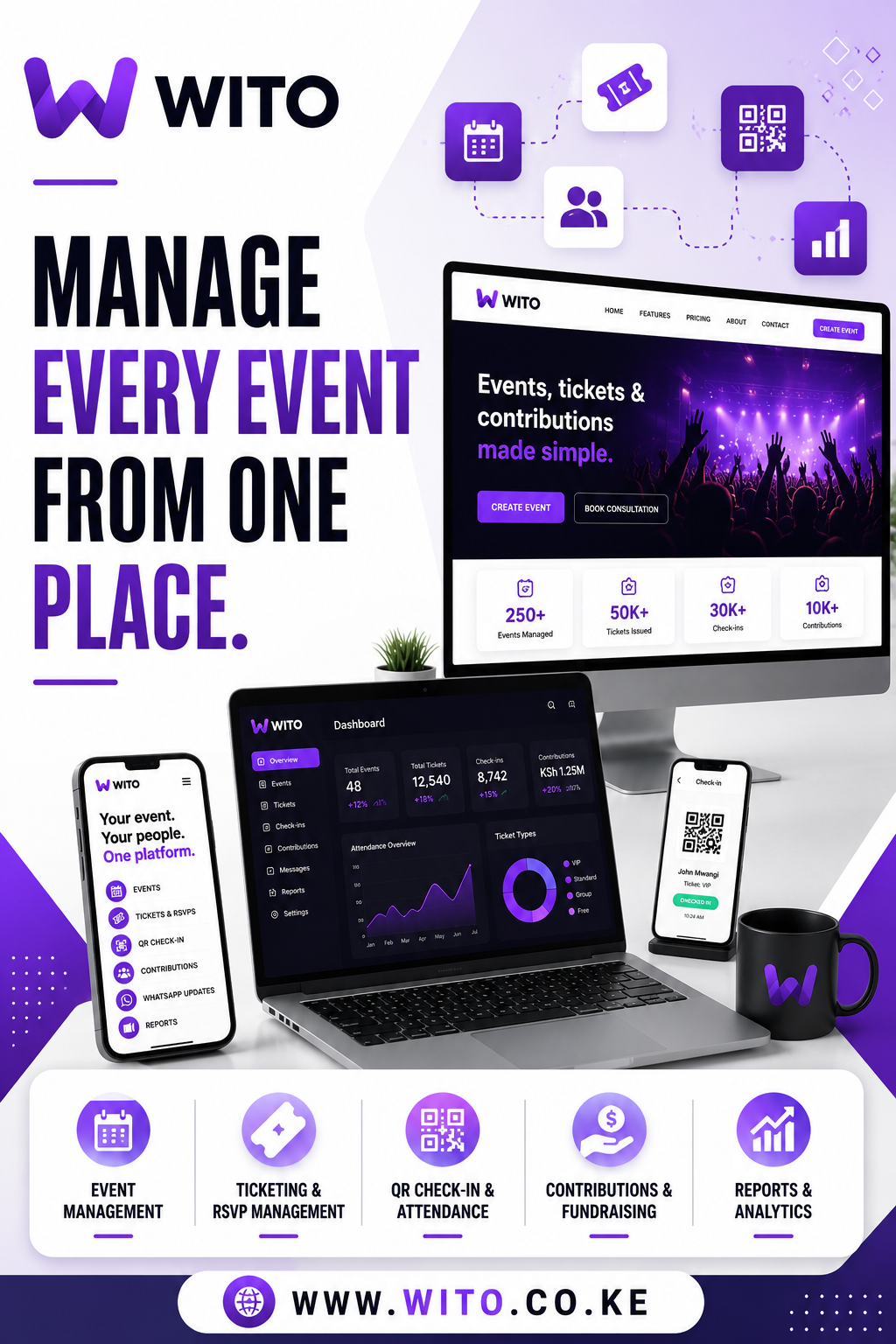
Conference event management software has become the backbone of modern professional gatherings, transforming how organizations coordinate multi-track sessions, manage speakers, facilitate attendee networking, and measure conference impact. Whether you’re running a 200-person industry summit, a 2,000-person annual conference, or a specialized professional gathering, conference event management software determines whether your attendees leave energized and connected or frustrated by logistics breakdowns. This guide explores conference event management software options purpose-built for African conference organizers, where connectivity challenges, multi-currency payments, and diverse attendee bases demand specialized solutions.
A decade ago, conferences were spreadsheet marathons. Organizers juggled speaker confirmations across email threads, tracked registrations in Excel, manually assigned sessions to attendees, printed programs on the morning of the event, and spent weeks after the conference manually tallying attendance and feedback. Conference event management software demolished this chaos. Today’s leading platforms automate speaker management, dynamic session scheduling, real-time attendee check-in, live networking matching, and instant post-event reporting—all synchronized across mobile apps, web portals, and email. Conference event management software isn’t a luxury add-on anymore; it’s operational infrastructure.
Table of Contents
- Why Conference Organizers Need Dedicated Software
- Core Features of Conference Event Management Software
- Speaker Management and Session Scheduling
- Attendee Registration and Ticketing Workflows
- Mobile Apps and On-Site Check-In
- Networking and Attendee Engagement
- Analytics, Reporting, and ROI Measurement
- Implementation Timeline and Best Practices
Why Conference Organizers Need Dedicated Software
Conferences are operationally complex. Unlike single-event ticketing platforms (which handle one event with one audience), conference event management software coordinates multiple simultaneous sessions, shifting speaker schedules, last-minute session cancellations, attendees choosing between competing time slots, VIP registration tracks, media credential workflows, sponsor booth management, and multi-stage production coordination. General-purpose event tools can’t handle this complexity without custom workarounds that waste time and introduce errors.
Consider a 500-person regional conference running three parallel tracks over two days. Conference event management software automates decisions that would otherwise break under manual management. When a keynote speaker cancels two weeks before the conference, the system automatically notifies affected attendees via email and app push notification, suggests alternative sessions they might attend, and updates the printed program. When speaker A overruns their time slot, organizers adjust session B’s start time from the check-in desk, and all attendees in the system—plus the speaker waiting in the green room—see the change instantly. When an attendee reaches the venue and checks in, the app shows them a personalized agenda, highlights sessions matching their interests, and suggests networking meetings with others in their industry.
Conference event management software transforms conference delivery from “we hope this goes smoothly” to “we know it will because we have visibility and control.”
Core Features of Conference Event Management Software
Not all conference event management software is created equal. Some are purpose-built for conferences; others are general event tools stretched to fit conference needs. Evaluating conference event management software means prioritizing features that address core pain points.
Multi-Track Session Scheduling – Conferences have parallel sessions. Conference event management software automatically handles attendee conflicts (preventing registration for overlapping sessions unless explicitly allowed), suggests alternative timing when speakers request changes, generates conflict-free schedules, and prevents double-booking of rooms or AV equipment.
Speaker Portal and Communication – Your keynote, breakout, and workshop speakers need a dedicated workspace. Conference event management software includes speaker portals where presenters submit abstracts, upload slide decks, adjust session details, receive speaker guidance (timing, AV requirements, green room logistics), and access attendee rosters for their sessions.
Customizable Attendee Profiles – Every conference attendee is different. Conference event management software lets you capture what matters: job title, company, industry, interests, dietary restrictions, accessibility needs. This data powers personalization—session recommendations, networking matches, and targeted communications.
Pre-Conference Networking Matching – High-value attendees want to meet specific people. Conference event management software facilitates this with networking dashboards where attendees explore other participants, request meetings, and schedule 1:1 conversations during breaks. The system prevents double-booking and sends reminders.
Real-Time Program Updates – Room changes, speaker delays, session cancellations, lightning talks added last-minute. Conference event management software disseminates updates instantly to all devices, preventing the chaos of outdated printed programs and conflicting verbal announcements.
Post-Session Feedback and Rating – Collect attendee ratings immediately after each session, while impact is fresh. Conference event management software aggregates feedback by speaker and session, allowing organizers to identify what worked and what fell flat.
Speaker Management and Session Scheduling
Speakers are the lifeblood of conferences, and managing them is notoriously messy. Conference event management software centralizes speaker coordination, eliminating the email chaos that plagues most conferences.
Speaker Recruitment and Submission – When you launch a call for presentations, conference event management software provides a speaker portal where presenters submit proposals with abstracts, speaker bios, technical requirements, and session preferences. The system auto-generates submission confirmations, tracks which proposals you’ve reviewed, and stores all submissions in one indexed database (unlike email inboxes where proposals disappear into thread hell).
Speaker Schedule Coordination – Once sessions are programmed, conference event management software sends speaker schedules with session timing, room assignments, AV setup details, and speaker instructions. When timing changes, the system notifies speakers and updates their portal. Speakers can confirm receipt and ask clarifying questions, creating an audit trail of confirmations.
Speaker Communication Automation – Conference event management software sends templated messages at key milestones: proposal acceptance, slide submission deadline, final confirmation, speaker dinner invitation, arrival day logistics, green room briefing, post-conference thank-you. This keeps speakers informed without organizers manually composing messages.
Conflict Prevention – Conference event management software prevents speakers from being scheduled in multiple sessions simultaneously, flags room capacity mismatches (booking a 50-person speaker into a 150-seat room), and alerts organizers to speakers with tight transition times between sessions.
On-Site Speaker Check-In – Day-of operations get hectic. Conference event management software lets organizers check speakers in at registration, attach speaker badges, note AV requirements in the system, and route speakers to green room coordination. Speakers can access their session details, timings, and attendee count on the speaker app.
Attendee Registration and Ticketing Workflows
Registration is the revenue engine of conferences. Conference event management software handles registration complexity that would overwhelm general ticketing platforms.
Flexible Ticket Types and Pricing – Most conferences offer early-bird discounts, professional passes, student discounts, one-day passes, exhibitor badges, media credentials, and VIP access. Conference event management software manages unlimited ticket types, applies time-based pricing (early-bird rates that expire on a date), creates promo codes for specific groups or partners, and tracks which attendees purchased which ticket type.
Multi-Currency and Local Payment Methods – For African conferences, conference event management software must handle M-Pesa, bank transfers, and card payments. The system manages currency conversion, payment reconciliation, and attendee notifications in their payment method of choice.
Attendee Data Collection and Consent – Conferences collect extensive attendee information for targeted communications and sponsor lead generation. Conference event management software includes customizable registration forms, checkbox consent flows (GDPR and local data privacy), and secure data storage with role-based access (some data visible to sponsors, some not).
Registration Workflow Automation – Attendees register, payment processes, and conference event management software automatically sends: payment confirmation, email with QR code for check-in, app download link, pre-conference recommendations, hotel partners list, and dietary restriction form. No staff manual intervention needed.
Group and Organizational Registration – Enterprise attendees often register groups (5–50 people from one company). Conference event management software handles group discount codes, group manager portals (where company coordinators manage their team’s registrations and profile updates), and consolidated billing.
Mobile Apps and On-Site Check-In
The conference app is where your software lives in attendees’ pockets. Conference event management software with a strong mobile experience transforms day-of operations.
Attendee Mobile App – Registrants download the conference app pre-event, where they see their personalized agenda, session descriptions, speaker bios, venue maps, and networking profiles. On-site, the app guides attendees to sessions (with venue wayfinding), shows real-time updates (session delays, room changes), and facilitates in-app networking.
QR Code Check-In – Organizers scan attendee QR codes at registration, marking real-time attendance. Conference event management software syncs check-ins instantly, providing organizers with live attendance dashboards throughout the conference.
Offline-Capable Apps – Conference venues often have poor WiFi. Conference event management software mobile apps download schedules, speaker info, and attendee profiles before the conference, allowing attendees to navigate offline. Networking messages and check-ins sync when connectivity returns.
Speaker and Staff Apps – Not just attendees—speakers, organizers, volunteers, and exhibitors get purpose-built versions of the conference event management software app. Speakers see their session schedules and attendee rosters. Organizers see real-time operational dashboards (check-in counts, session occupancy, speaker status). Volunteers see task assignments and routing.
Sponsor and Exhibitor Portals – Conference event management software gives sponsors dedicated portals showing booth assignments, lead retrieval tools, attendee demographic reports, and networking introductions with target audience members.
Networking and Attendee Engagement
Modern conferences aren’t just about content—they’re about connections. Conference event management software includes native networking tools that replace the awkwardness of traditional conference mingling.
AI-Powered Attendee Matching – Conference event management software analyzes attendee profiles, job titles, company industries, stated interests, and geographic locations. It suggests networking matches, automatically creates suggested meeting times during conference breaks, and sends matchmaking notifications to relevant parties. This dramatically increases the likelihood of valuable connections actually happening.
Attendee Directory and Profile Search – Attendees can search the full conference roster by title, company, industry, or interests, discovering people they want to meet. Conference event management software includes privacy controls—attendees can opt out of the searchable directory if they prefer.
Gamification and Engagement Mechanics – Conferences that drive engagement see higher satisfaction and better ROI. Conference event management software includes gamification features: badges for attending sessions, achievements for networking meetings, leaderboards for active participants, and social sharing integration. This isn’t frivolous—it measurably increases attendee engagement.
Live Polling and Q&A – During keynotes and panel sessions, conference event management software powers live polling, showing speakers real-time audience sentiment. Attendees submit questions via the app, organizers moderate the queue, and speakers answer the most popular questions. This transforms passive attendance into active participation.
Social Integration – Conference event management software integrates Twitter/X, LinkedIn, and Instagram, allowing attendees to share insights, tag speakers, and broadcast participation. Organizers can monitor conference hashtags and surface trending conversations.
Analytics, Reporting, and ROI Measurement
Post-conference, most organizers face a data assembly challenge: attendance reports scattered across check-in sheets, feedback surveys in inboxes, speaker performance notes in loose documents. Conference event management software consolidates everything into comprehensive analytics.
Real-Time Operational Dashboards – Throughout the conference, organizers see: total check-ins by hour (showing if registration is bottlenecked), session occupancy rates (revealing overcrowded rooms and sparsely attended sessions), speaker arrival status (tracking no-shows), and networking engagement metrics (who’s actively networking).
Post-Conference Analytics – After the conference closes, conference event management software generates comprehensive reports: total attendance by ticket type, session-by-session attendance and ratings, speaker performance (attendance vs. expected, feedback scores), attendee engagement metrics (app usage, networking connections made, sessions attended per person), and attendance demographics (geographic distribution, industry breakdown, job title distribution).
Sponsor ROI Reporting – Exhibitors and sponsors need ROI visibility. Conference event management software shows sponsors: leads captured (attendees who scanned their booth), lead quality metrics (titles and companies of visitors), booth traffic over time, and attendee engagement with sponsor content. This data justifies sponsor spending and informs next year’s partnerships.
Speaker and Session Feedback – Attendees rate sessions immediately after watching them. Conference event management software aggregates ratings by speaker, by track, and by session format, revealing which presenters resonated and which formats need adjustment. This drives continuous improvement.
Attendee Satisfaction and NPS – Comprehensive post-conference surveys reveal attendee satisfaction with content, networking, logistics, and venue. Conference event management software tracks Net Promoter Score across conference runs, showing whether satisfaction is improving.
Implementation Timeline and Best Practices
Selecting conference event management software is step one. Successful implementation requires planning, testing, and stakeholder coordination.
Pre-Selection Planning (4–6 weeks before launch) – Before you demo software, clarify your requirements: How many attendees? How many sessions? Will you offer virtual attendance? Do you need sponsor lead retrieval? How important is mobile app functionality? Different conference event management software excels in different areas—clarity on priorities narrows your options.
Selection and Contracting (2–4 weeks) – Demo 2–4 finalist platforms with your stakeholder team (registration lead, speaker coordinator, operations manager, IT contact). Clarify pricing models, support availability, and customization needs. Check references with conference organizers of similar size/type. Negotiate contract terms before onboarding.
Configuration and Data Setup (3–4 weeks before conference) – Work with your vendor to configure conference event management software for your conference structure: session tracks, ticket types, custom fields, sponsor integrations, payment methods. Migrate existing speaker and sponsor data. Set up branded templates for emails and registration pages.
Testing and Dry Runs (2 weeks before conference) – Run through complete workflows with your team: speaker registration, attendee registration, session assignment, QR code generation, app functionality. Identify confusion points and address them before attendees encounter them.
Pre-Conference Communication (final 2 weeks) – Email speakers and attendees with clear instructions: download the app, register sessions, update dietary restrictions, arrive 15 minutes early for check-in. Conference event management software can automate this, but you must personally review templates to ensure clarity.
Day-Of Operations – Staff the registration desk with tablets or mobile devices running the conference event management software check-in interface. Brief volunteers on QR code scanning, app navigation, and troubleshooting. Run the control room with the organizer dashboard visible, showing real-time check-ins, session occupancy, and speaker status.