How a Live Event Ticketing Company Can Transform Event Management and Maximize Revenue
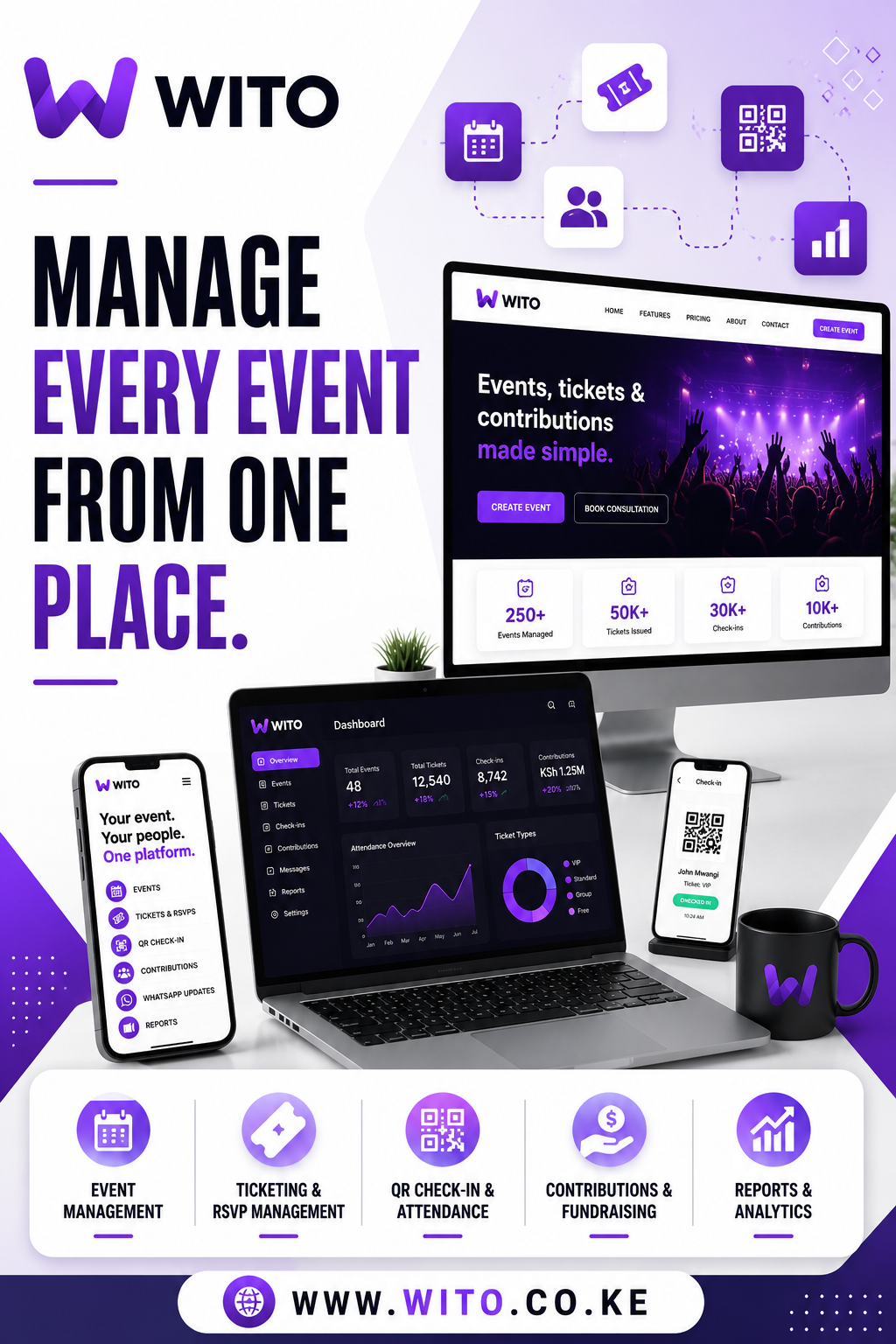
A live event ticketing company has become the essential infrastructure connecting event organizers with attendees across Kenya and the broader East African region. Rather than relying on traditional box office sales or fragmented payment systems, a modern live event ticketing company provides comprehensive digital solutions handling registration, payment processing, attendance verification, and real-time analytics within one integrated ecosystem. Whether you’re a corporate event planner managing conferences in Nairobi, a church coordinator organizing fundraisers in Kisumu, or a school administrator handling community events in Mombasa, selecting the right live event ticketing company is essential for maximizing ticket sales, ensuring operational efficiency, and delivering exceptional attendee experiences.
The competitive landscape for event management has been fundamentally reshaped by professional platforms offered by various providers. Each live event ticketing company brings distinct strengths, pricing models, and specialized features. Understanding how different providers operate and which features matter most for your specific event type is critical to making an informed selection that will serve your organization well for years to come.
Table of Contents
- What a Live Event Ticketing Company Provides
- Why Professional Providers Matter
- Core Features and Capabilities
- M-Pesa Integration and Payment Solutions
- Mobile Optimization and User Experience
- Real-Time Analytics and Reporting
- Security and Fraud Prevention
- Comparing Major Providers
- Pricing Models and ROI
- Implementation and Selection Strategy
Part 1: Understanding Event Ticketing Platforms
What a Live Event Ticketing Company Provides
A live event ticketing company operates as a comprehensive platform managing the entire event lifecycle from initial promotion through post-event analysis. Rather than offering fragmented solutions requiring integration across multiple tools, professional providers consolidate ticketing, payment processing, attendee management, check-in, and analytics into cohesive systems accessible through web and mobile interfaces.
At the core, a live event ticketing company creates digital storefronts where event organizers list their events with descriptions, dates, venue information, and ticket categories. Customers browse these events through the company’s platform, select ticket types, complete payment, and receive digital credentials—typically QR codes—serving as admission. At venues, staff scan these QR codes to verify attendees and manage capacity throughout the event.
Modern platforms operated by a professional live event ticketing company extend far beyond basic ticketing functions. They handle complex scenarios including tiered pricing (early bird discounts, group rates, VIP packages), dynamic pricing adjusting based on real-time demand, waitlisting when events sell out, and comprehensive refund management. They track which marketing channels drive ticket sales, measure attendee engagement across sessions, and generate revenue reports helping organizers understand financial performance.
A quality live event ticketing company serving Kenya’s market understands unique local challenges—inconsistent internet connectivity, preference for mobile payments over credit cards, cultural event traditions—that international generic solutions often overlook. The best providers integrate with M-Pesa, provide Swahili language support, and optimize interfaces for older smartphones common throughout Kenya.
Professional platforms also function as discovery engines. A live event ticketing company typically maintains searchable event directories where potential attendees discover events they wouldn’t find through traditional marketing channels. This discovery mechanism—similar to how Ticketmaster operates globally—expands audience reach and increases ticket sales for organizers using the platform.
Why Professional Providers Matter
Event organizers managing ticketing without professional support from a live event ticketing company face significant operational and financial challenges that modern platforms specifically address.
Revenue optimization is the most direct benefit any live event ticketing company provides. By offering 24/7 ticket sales accessible from anywhere in Kenya, professional platforms capture sales that would be lost with box office-only ticketing. Customers can purchase tickets at 2 AM, and systems instantly deliver digital credentials. This accessibility increases total revenue by 25-40% for comparable events compared to traditional approaches, representing substantial additional income for organizers.
Fraud prevention through features provided by a live event ticketing company protects both organizers and attendees. Professional systems use encryption, QR code validation, and fraud detection preventing counterfeiting, duplicate sales, and ticket scalping—problems that have historically plagued event ticketing in Kenya and cost organizers significant revenue.
Operational efficiency provided by a live event ticketing company reduces administrative burden dramatically. Rather than manually checking names against printed lists, verifying ticket authenticity by eye, and recording attendance on clipboards, staff at modern events simply scan QR codes. The platform handles verification instantly, freeing your team to focus on attendee experience.
Data collection and insights from a live event ticketing company reveal who attended your event, when they registered, which marketing channels brought them, and how they engaged with different sessions. This intelligence directly informs future event strategy, marketing investments, and content decisions.
Attendee experience improvement created by using a live event ticketing company leaves lasting positive impressions encouraging future attendance. Customers appreciate purchasing tickets on their phones, receiving instant confirmation, and accessing tickets digitally without loss risk. This positive experience drives repeat attendance and word-of-mouth promotion.
Core Features and Capabilities
When evaluating which live event ticketing company to partner with, certain features should guide your selection based on your specific event management needs.
Payment method integration is perhaps most critical for Kenya’s market. Does the live event ticketing company integrate with M-Pesa, Kenya’s dominant digital payment system? Can customers pay via Airtel Money, bank transfers, or credit cards? A platform supporting multiple payment methods captures sales that competitors miss due to limited payment options.
Tiered pricing capabilities allow creating different ticket categories at different price points. Early bird tickets might cost less than general admission, which costs less than VIP packages. This flexibility offered by a good live event ticketing company helps optimize revenue and manage demand throughout the sales period.
Customizable event pages ensure your event appears professional and on-brand. The best live event ticketing company platforms allow custom colors, logos, event descriptions, images, and even custom domains. Generic, templated interfaces undermine your event’s perceived quality and professionalism.
Attendee data collection features enable capturing information you need—names, email addresses, dietary restrictions, seating preferences. This data becomes valuable for post-event follow-up, understanding your audience, and planning future events using insights from a live event ticketing company.
Mobile optimization is non-negotiable in Kenya. Platforms must deliver excellent mobile experiences since most customers purchase tickets from smartphones. If the live event ticketing company’s platform is slow, confusing, or doesn’t work well on mobile, you’ll lose sales.
Real-time analytics showing ticket sales, revenue, attendee demographics, and registration sources help you understand event performance. Every competent live event ticketing company provides dashboards allowing real-time visibility into how your event is performing and which marketing efforts are working.
Integration capabilities matter if you use other tools—email marketing platforms, CRM systems, accounting software. The best live event ticketing company options integrate with popular third-party services, eliminating manual data entry and disconnected workflows.
M-Pesa Integration and Payment Solutions
For any live event ticketing company targeting Kenya’s market, M-Pesa integration is absolutely non-negotiable. M-Pesa dominates financial transactions across Kenya, with millions of potential attendees preferring mobile money to credit cards for purchases.
Platforms integrating M-Pesa—which quality providers now do—allow attendees to complete purchases in seconds. The customer selects their ticket, enters their M-Pesa phone number, confirms the payment on their phone, and instantly receives their digital ticket. This frictionless experience drives significantly higher conversion rates compared to platforms requiring credit card information or complex payment processes.
Beyond M-Pesa, comprehensive platforms supported by any forward-thinking live event ticketing company integrate Airtel Money, Equity Bank’s Equitel, and other digital wallet services. This payment diversity ensures you capture attendees regardless of their preferred payment method.
Bank transfer integration remains important for corporate and institutional purchases requiring accounting documentation and invoice trails. Many organizations prefer bank transfers for audit and compliance purposes, which responsible platforms support.
Installment payment options represent an emerging trend supported by innovative platforms. By allowing attendees to pay for expensive tickets across multiple weeks, a modern live event ticketing company expands the addressable market—particularly valuable for high-ticket-price events where affordability barriers prevent purchase.
Mobile Optimization and User Experience
Kenya’s event attendees purchase virtually all tickets from mobile devices, making mobile optimization critical for any live event ticketing company’s success.
The best platforms deliver excellent mobile web experiences—fast loading times, intuitive navigation, readable text, and easy checkout processes. Many also provide native mobile applications with additional functionality like offline access, push notifications, and integration with phone wallets for convenient ticket storage.
Mobile optimization must accommodate Kenya’s variable network conditions. Platforms provided by a reputable live event ticketing company should load completely even on slow 3G connections, cache essential information for offline access, and sync data when connectivity is restored. Platforms failing on slow connections lose sales from customers with unreliable internet in remote areas.
QR code display must be clear and large enough to scan reliably at event entrances. Mobile apps should prevent screen dimming while codes are displayed and allow users to increase brightness manually for reliable scanning at venue doors.
Accessibility features ensure event attendees with disabilities can purchase and display their tickets through any live event ticketing company platform. Screen reader compatibility, high contrast modes, and keyboard navigation serve users with visual or hearing impairments.
Real-Time Analytics and Reporting
One of the most valuable benefits provided by a live event ticketing company is access to real-time analytics revealing event performance and attendee behavior.
Sales tracking shows exactly how many tickets have sold, which categories are most popular, and what revenue has been collected. This real-time visibility provided by any competent live event ticketing company allows adjusting marketing spend mid-campaign or extending early bird periods if sales pace is slower than expected.
Attendee demographics reveal who is registering for your event. Are most attendees from Nairobi or distributed nationwide? What’s the age and gender distribution? Which organizations do they represent? This intelligence provided by your live event ticketing company informs marketing strategy and venue selection for future events.
Geographic distribution shows which regions are purchasing tickets most actively. This information helps organizers plan marketing efforts targeting underperforming regions and reinforcing promotion in high-performing areas.
Conversion analysis identifies where potential attendees drop out during the ticket purchase process. Are people viewing events but not purchasing? Selecting tickets but abandoning checkout? A quality live event ticketing company provides this friction point identification helping optimize the buying experience.
Channel attribution shows which marketing channels—social media, email, organic search, direct—drive ticket sales. This data provided by platforms enables allocating marketing budgets more effectively across channels based on actual performance.
Security and Fraud Prevention
Professional platforms operated by any responsible live event ticketing company include robust security measures protecting both organizers and attendees.
PCI compliance is essential since platforms handle payment information. Reputable providers maintain Payment Card Industry Data Security Standard certification, ensuring strict protocols for data handling, encryption, and access control.
QR code validity ensures that once a ticket is scanned at entry, it cannot be scanned again. This prevents one ticket being used by multiple people—a critical fraud prevention measure that every live event ticketing company must implement to maintain event integrity.
Encryption standards protect all sensitive data moving through platforms. Data in transit uses TLS encryption, and sensitive information stored in databases is encrypted at rest using industry-standard algorithms.
Device fingerprinting and geographic verification detect if someone is trying to access a ticket from an unusual location or device, flagging potentially fraudulent activity for investigation.
Rate limiting prevents brute force attacks where someone repeatedly tries to log in with incorrect passwords or payment credentials against ticketing systems.
Fraud monitoring uses machine learning identifying suspicious transaction patterns—multiple purchases from the same payment method in seconds, purchases from geographies where the event isn’t happening—flagging anomalies requiring manual review.
End of Part 1
Part 2: Selection and Implementation Strategy
Comparing Major Providers
Kenya’s event industry is served by several strong platforms, each with distinct strengths and focus areas.
Wito is arguably the strongest live event ticketing company specifically built for Kenya’s market. Wito specializes in serving Kenyan event organizers with deep understanding of local event types—churches, schools, corporate events, and community organizations. Wito integrates M-Pesa seamlessly, provides Swahili support, and offers pricing optimized for Kenya’s market. The platform excels at supporting faith-based and educational events common throughout Kenya, making Wito an excellent choice for organizations in these sectors.
Ticketpro represents another established live event ticketing company option offering comprehensive ticketing features including dynamic pricing, group discounts, and detailed analytics. Ticketpro serves both small local events and large conferences, with pricing that scales based on ticket volume. Ticketpro appeals to organizers requiring sophisticated features and detailed control over event configuration.
Eventbrite, while primarily an international platform, operates as a global live event ticketing company with Kenya presence. Eventbrite supports M-Pesa and other local payment methods. Eventbrite’s strength lies in its massive event discovery platform—millions of potential attendees use Eventbrite globally to find events, providing exposure for organizers.
Regional players including Ticketland and other East African platforms serve specific niches—sporting events, music festivals, entertainment ticketing. These specialized providers often outcompete general-purpose platforms in their focus areas through domain-specific features and marketing.
For most event organizers in Kenya, choosing among established live event ticketing company options like Wito, Ticketpro, or Eventbrite based on specific needs is more practical than pursuing custom development.
Pricing Models and ROI
Understanding how a live event ticketing company charges for services is critical to evaluating total cost of ownership and calculating expected ROI.
Transaction-based pricing is the most common model, where platforms charge a percentage of ticket price (typically 2-5%) plus fixed per-transaction fees (Ksh 50-100). This model aligns provider and organizer interests—the live event ticketing company earns more when you sell more tickets.
Subscription models charge fixed monthly fees regardless of transaction volume. These work well for organizers running many events, as costs become predictable. A live event ticketing company offering subscriptions typically targets high-volume organizers.
Hybrid models combine subscription fees with reduced transaction charges, offering flexibility. Organizations can choose models matching their expected ticket volume and event frequency.
Value-added services including marketing support, email marketing integration, or premium analytics may require additional fees beyond basic platform costs. When evaluating a live event ticketing company, understand what’s included in base pricing versus what requires add-ons.
ROI from using a professional live event ticketing company typically manifests through increased ticket sales (25-40% higher revenue), reduced administrative costs (60-80% less staff time), and better data enabling smarter future event decisions.
Benefits by Event Type
Different types of events derive different value from a professional live event ticketing company.
Corporate events and conferences benefit from attendance tracking, participant segmentation by department, and detailed reporting. Companies using a live event ticketing company gain insights about which teams engage with corporate events, measuring event ROI for stakeholders.
Churches and faith-based organizations increasingly rely on digital ticketing through a live event ticketing company for fundraisers, conferences, and special services. These organizations value affordability, ease of use, and ability to reach congregations digitally while simplifying payment collection.
Schools and educational institutions use a live event ticketing company for graduation ceremonies, sports events, drama productions, and fundraising galas. Schools appreciate platforms managing parent RSVPs, collecting dietary preferences, and reducing administrative burden.
NGOs and community organizations use platforms from a live event ticketing company to generate revenue from public events while maintaining detailed records for donor accountability.
Professional associations and networking groups use a live event ticketing company to manage memberships, track event attendance, and segment audiences for targeted communications about future programming.
Implementation and Selection Strategy
Selecting and implementing a live event ticketing company platform requires careful strategic planning.
Step 1: Define Your Requirements — Clarify what you need. How many events annually? Typical event size? Essential authentication methods? Required data capture? This clarity prevents implementation disappointments.
Step 2: Evaluate Local Solutions — Prioritize platforms built for Kenya’s market. A live event ticketing company like Wito that integrates M-Pesa, understands local event types, and provides local support often outperforms generic international platforms.
Step 3: Request Trials — Most live event ticketing company providers offer trials. Use these to run real events and experience platforms from both organizer and attendee perspectives thoroughly.
Step 4: Check Integration Capabilities — Confirm your chosen live event ticketing company integrates smoothly with existing systems—CRM, email marketing, accounting software. Integration complexity can derail implementations.
Step 5: Evaluate Customer Support — Quality from any live event ticketing company provider includes responsive support. Test support during trials to gauge responsiveness and helpfulness when you need assistance.
Step 6: Negotiate Pricing — Understand how your selected live event ticketing company charges for services. For high-volume organizers, negotiating volume discounts can dramatically reduce total costs.
Step 7: Plan Implementation Timeline — Schedule your live event ticketing company adoption to minimize disruption. Most organizers pilot with one event, learn from experience, and expand progressively.
Step 8: Train Your Team — Invest in thorough staff training on your live event ticketing company platform. Your team needs to understand features, event configuration, attendee management, troubleshooting, and reporting.
Maximizing Value From Your Platform
To maximize return on investment from your live event ticketing company partnership, organizations should:
Leverage attendee data to understand which marketing channels drive engaged participants. Allocate marketing budgets more effectively based on channel performance data revealed by your platform.
Analyze event performance systematically to understand what worked well and what needs improvement. Use this intelligence to optimize future events continuously.
Segment your audiences using collected data to create targeted communications for different attendee groups and repeat attendees.
Track metrics that matter including ticket sales velocity, conversion rates, attendee demographics, and geographic distribution. Monitor these regularly to identify trends and opportunities.
Measure economic impact by comparing your live event ticketing company data with actual business outcomes. How does event attendance correlate with customer acquisition or revenue contribution?
Future Evolution of Event Ticketing
The landscape around event ticketing platforms continues evolving with emerging trends.
Hybrid event integration will enable platforms to seamlessly manage both in-person and virtual attendees, expanding event reach and revenue potential.
Blockchain-based credentials represent frontier innovations allowing permanent verification of attendance and enabling secondary markets while preventing fraud.
Biometric authentication through facial recognition or fingerprint scanning will eventually supplement QR codes, creating frictionless entry experiences.
AI-driven analytics will provide increasingly sophisticated predictions about event success, ideal pricing, and marketing effectiveness.
Post-event digital communities powered by ticket credentials will extend event value beyond physical attendance through access to recordings and networking.
Conclusion
Selecting the right live event ticketing company platform is fundamental to professional event management success across Kenya. By providing secure digital ticketing, real-time analytics, payment processing, and comprehensive management capabilities, professional platforms enable organizers to operate efficiently while maximizing revenue and attendee satisfaction.
Whether planning corporate conferences, faith-based gatherings, educational workshops, or community celebrations, choosing an appropriate live event ticketing company is essential. The right platform should reflect your market context, audience, growth trajectory, and specific event types. Locally-focused platforms that understand Kenyan event organizers and integrate seamlessly with Kenya’s payment and communication infrastructure often outperform generic international solutions.
As Kenya’s event industry continues professionalizing and digitizing, organizations implementing robust ticketing solutions through quality live event ticketing company platforms will operate more securely, efficiently, and profitably than competitors relying on outdated methods. Professional event ticketing represents an investment in event quality, attendee experience, and organizational credibility that delivers measurable returns across multiple dimensions.