How Online Event Ticketing Platforms Are Transforming Events in East Africa
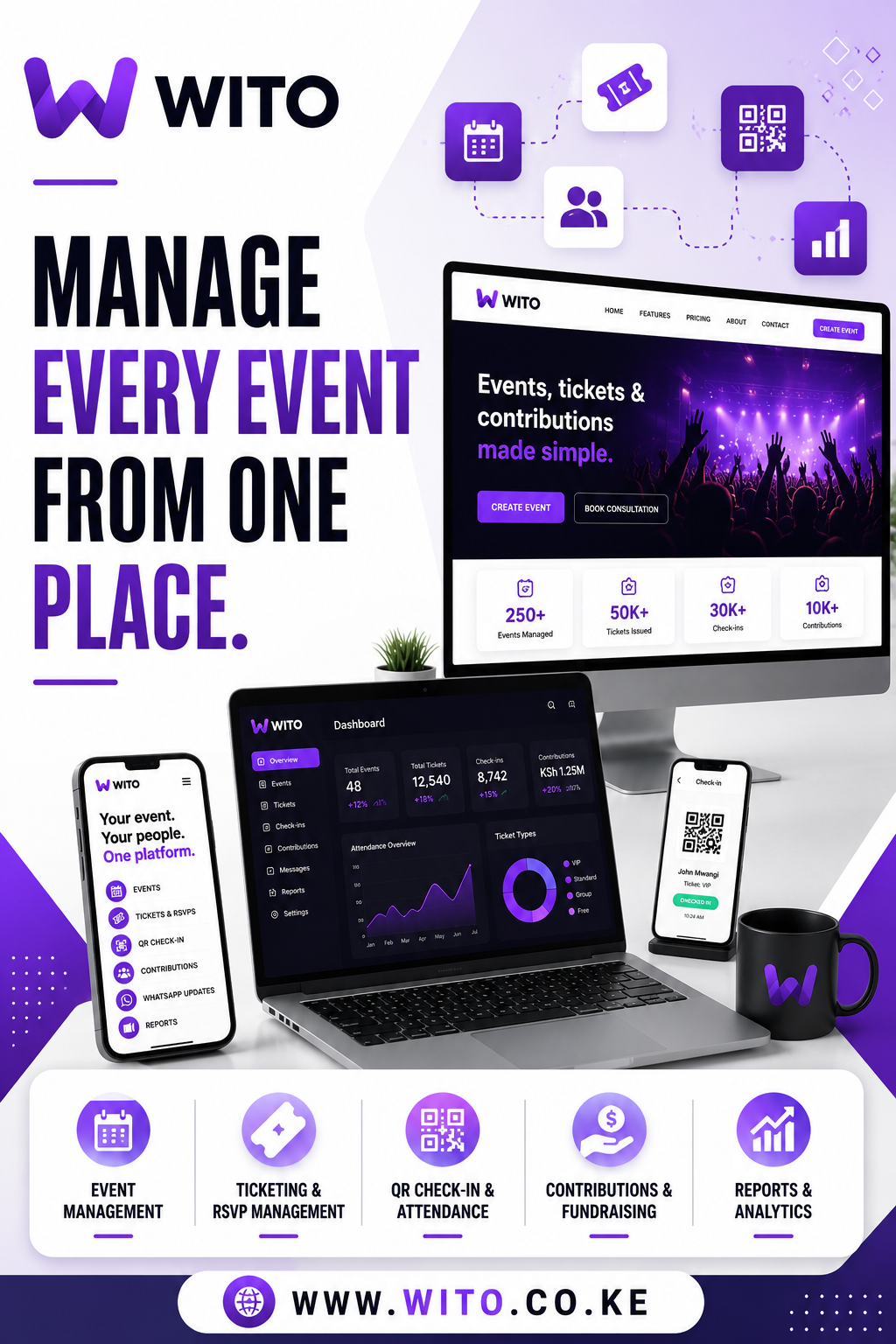
Online Event Ticketing Platform technology has fundamentally changed how events are organized, promoted, and managed across Kenya and the broader East African region. An Online Event Ticketing Platform eliminates the friction that once defined event attendance—no more printing costs, no manual headcount confusion, and no lost revenue from duplicate or counterfeit tickets. Whether you’re orchestrating a corporate conference in Nairobi, a church fundraiser in Kisumu, or a community event in Mombasa, an Online Event Ticketing Platform provides the infrastructure to sell tickets, manage attendees, and track revenue in real time.
The shift toward digital ticketing reflects broader changes in how Kenyans consume entertainment and attend events. Mobile penetration is exceptionally high across the country, making an Online Event Ticketing Platform not just convenient but essential for reaching your audience where they already spend time. This guide explores what an Online Event Ticketing Platform is, why it matters for modern event organizers, and how to choose one that fits your specific needs.
Table of Contents
- What Is an Online Event Ticketing Platform?
- Why Event Organizers Need Digital Ticketing
- Core Features That Matter
- Revenue Optimization Through Digital Ticketing
- Mobile-First Design and Accessibility
- Integration With Payment Systems
- Real-Time Analytics and Reporting
- Security and Fraud Prevention
What Is an Online Event Ticketing Platform?
An Online Event Ticketing Platform is a digital solution that enables event organizers to create, distribute, and manage tickets entirely through the internet. Rather than relying on physical tickets or box office sales, an Online Event Ticketing Platform provides a complete ecosystem: a website or mobile interface where customers purchase tickets, backend systems that validate attendance, and administrative dashboards that give organizers full visibility into their event.
The core function is straightforward but powerful. When someone wants to attend your event, they visit the Online Event Ticketing Platform, select their ticket category, complete payment, and instantly receive a digital ticket—usually as a QR code or unique reference number. At the venue, a simple scan confirms attendance and prevents duplicate entry. This entire process, which once required staff, printing resources, and considerable manual effort, now happens automatically.
In the Kenyan context, an Online Event Ticketing Platform has become indispensable because it bridges the gap between online commerce and offline events. Many Kenyans prefer to purchase tickets from their phones using M-Pesa or other digital payment methods, and an Online Event Ticketing Platform accommodates this preference seamlessly. For event organizers managing everything from small workshops to large conferences, this capability translates directly into higher ticket sales and reduced operational friction.
Why Event Organizers Need Digital Ticketing
The case for adopting an Online Event Ticketing Platform rests on three fundamental advantages: efficiency, revenue capture, and attendee experience.
Efficiency gains are immediate and measurable. Without an Online Event Ticketing Platform, organizers must manually track registrations, send confirmations via email, manage cancellations, and verify attendance at the door. Each of these steps introduces potential for error and requires dedicated staff time. An Online Event Ticketing Platform automates these workflows, freeing your team to focus on the event experience itself rather than administrative overhead.
Revenue capture is where an Online Event Ticketing Platform truly demonstrates its value. Traditional ticketing methods leave money on the table. Last-minute attendees sometimes cannot purchase tickets because the box office is closed. Potential customers in remote areas give up on the process because buying tickets requires traveling to a physical location. An Online Event Ticketing Platform eliminates these barriers. It operates 24/7, reaches customers across Kenya regardless of location, and accepts multiple payment methods. The result is consistently higher ticket sales compared to offline-only approaches.
Attendee experience has become a competitive factor in the events space. Customers expect seamless, digital interactions. An Online Event Ticketing Platform meets this expectation by offering convenience, immediate confirmation, and the option to access tickets from anywhere. When attendees feel well-served by the ticketing process, they’re more likely to attend the actual event and recommend it to others.
For church groups organizing fundraisers, chamas planning social events, schools running community gatherings, and professional organizations hosting conferences, an Online Event Ticketing Platform fundamentally changes what’s possible. It enables smaller organizations to operate at scale without proportionally increasing their administrative burden.
Core Features That Matter
Not all ticketing solutions are created equal. When evaluating an Online Event Ticketing Platform for your needs, certain features should be non-negotiable.
Tiered pricing and dynamic ticketing allows you to offer different ticket categories—early bird, general admission, VIP—each at different price points. An effective Online Event Ticketing Platform lets you set these tiers, close out categories when capacity is reached, and adjust pricing as the event approaches. This flexibility is particularly valuable in Kenya’s diverse event landscape, where a single event might serve corporate attendees, individual community members, and organizational groups, all with different budget constraints.
Customizable event pages mean that your Online Event Ticketing Platform reflects your brand and event identity. Rather than generic ticketing interfaces, you can embed your logo, use your color scheme, write compelling event descriptions, and upload high-quality images. This customization makes the ticketing process feel like a natural extension of your event, not a clunky third-party service.
Attendee data capture is essential. An Online Event Ticketing Platform should collect the information you need—names, email addresses, dietary restrictions, seating preferences—while respecting privacy and keeping the checkout process brief. This data becomes invaluable for post-event follow-up, future event planning, and understanding your audience.
Real-time capacity management prevents overbooking and ensures that your venue operates safely. An Online Event Ticketing Platform tracks inventory in real time, closes ticket sales when capacity is reached, and provides clear feedback to customers about availability.
Multi-language support is increasingly important in Kenya, where English, Swahili, and various regional languages are spoken. A thoughtfully designed Online Event Ticketing Platform supports multiple languages to ensure accessibility across your target audience.
Revenue Optimization Through Digital Ticketing
An Online Event Ticketing Platform isn’t just about processing transactions; it’s a revenue optimization tool. When configured strategically, an Online Event Ticketing Platform can measurably increase the total revenue you generate from ticket sales.
Early bird discounts encourage advance purchases and provide organizers with predictable cash flow. An Online Event Ticketing Platform automates this by creating tiered pricing that changes on specific dates. This approach has proven particularly effective in Kenya, where advance commitment signals strong demand.
Group discounts can be built into your Online Event Ticketing Platform, allowing organizations, corporate teams, or community groups to purchase multiple tickets at a reduced rate. This not only increases revenue from group attendees but also simplifies the buying process for large organizations.
Add-on sales through an Online Event Ticketing Platform open additional revenue streams. Attendees can add parking passes, merchandise, meal upgrades, or premium seating when they purchase their ticket. Because these add-ons are presented at the moment of purchase, conversion rates are high.
Abandoned cart recovery features in a sophisticated Online Event Ticketing Platform capture sales that would otherwise be lost. When someone selects a ticket but doesn’t complete checkout, an Online Event Ticketing Platform can send a reminder email, encouraging them to finish their purchase. Research shows this simple feature recovers 10–15% of otherwise lost sales.
Dynamic pricing is a more advanced capability offered by premium Online Event Ticketing Platform solutions. As demand increases and remaining inventory decreases, ticket prices can automatically increase, maximizing revenue while maintaining availability. This technique is common in the travel and entertainment industries and is increasingly adopted by sophisticated event organizers using an Online Event Ticketing Platform.
Mobile-First Design and Accessibility
In Kenya, mobile devices are the primary way most people access the internet. An Online Event Ticketing Platform that isn’t optimized for mobile screens will lose sales regardless of how good its features are.
A genuinely mobile-first Online Event Ticketing Platform prioritizes touch-friendly navigation, readable fonts, and fast loading times on slower network connections. Given that many Kenyans access the internet through 4G or 3G, an Online Event Ticketing Platform should deliver a complete experience in under three seconds, even on moderately slow connections.
Accessibility features ensure that people with visual, hearing, or mobility impairments can purchase tickets through your Online Event Ticketing Platform without frustration. Screen reader compatibility, high contrast options, and keyboard navigation are not niceties—they’re essential for inclusive event access.
Offline functionality is a practical consideration. An Online Event Ticketing Platform that can cache basic information allows users to browse events even if their connection temporarily drops. Once connectivity returns, purchases sync automatically. This resilience is important in a market where network reliability is variable.
Integration With Payment Systems
An Online Event Ticketing Platform is only as good as the payment options it supports. In Kenya, this means robust M-Pesa integration alongside credit card processing and other digital wallets.
M-Pesa integration is non-negotiable for an Online Event Ticketing Platform targeting Kenyan audiences. Millions of Kenyans use M-Pesa for most financial transactions and will abandon an Online Event Ticketing Platform that doesn’t offer it. Seamless integration means customers select M-Pesa, confirm the payment on their phone, and receive their ticket instantly.
Bank transfer options remain relevant for corporate and bulk ticket purchases. An Online Event Ticketing Platform should support this payment method for organizations that require invoice trails and accounting records.
Installment payment plans through an Online Event Ticketing Platform can reduce barriers to attendance. By allowing customers to pay for tickets over two or three months through services like Twiga or similar providers, an Online Event Ticketing Platform expands your addressable market.
Currency flexibility is important for international audiences. While KES is standard for local events, an Online Event Ticketing Platform serving diaspora communities or international attendees should accept USD and other currencies.
Fraud detection built into your Online Event Ticketing Platform protects both your revenue and your attendees. Real-time transaction monitoring, velocity checks, and verification protocols ensure that each payment is legitimate.
Real-Time Analytics and Reporting
Beyond ticketing, an Online Event Ticketing Platform provides business intelligence that shapes better decisions.
Sales tracking through your Online Event Ticketing Platform shows exactly how many tickets have sold, which categories are moving fastest, and what revenue has been collected. This real-time visibility allows you to adjust marketing spend, extend early bird discounts, or close tickets as capacity approaches.
Demographic insights from an Online Event Ticketing Platform reveal who is attending your events. Are most attendees from Nairobi or distributed across other regions? What’s the age distribution? Which companies or organizations are represented? This data informs marketing for future events and helps you tailor your event experience to your actual audience.
Conversion analysis through your Online Event Ticketing Platform identifies where potential customers drop out. If many people add tickets to their cart but don’t complete purchase, your checkout process may need simplification. An Online Event Ticketing Platform that provides this granular data helps you optimize the entire funnel.
Revenue forecasting becomes more accurate as your Online Event Ticketing Platform accumulates historical data. By analyzing how sales velocity typically progresses in the weeks before an event, you can predict total revenue with confidence.
Security and Fraud Prevention
An Online Event Ticketing Platform handles sensitive information—payment details, personal data, and unique ticket identifiers—making security paramount.
PCI compliance is essential for any Online Event Ticketing Platform processing credit cards. This means following strict standards for data handling, encryption, and access controls. Reputable Online Event Ticketing Platform providers undergo regular audits to maintain this certification.
Encryption standards protect customer data as it moves through your Online Event Ticketing Platform. All data in transit should be protected with TLS encryption, and sensitive information should be encrypted at rest.
Duplicate ticket prevention is a unique security concern for an Online Event Ticketing Platform. The system must ensure that each ticket can only be redeemed once, even if a digital ticket is forwarded to multiple people. QR codes or unique reference numbers that become invalid after first use solve this problem.
Fraud monitoring continuously analyzes transactions flowing through your Online Event Ticketing Platform to identify unusual patterns—multiple purchases from the same payment method in seconds, purchases from unlikely geographies, or other anomalies. Suspicious transactions can be flagged for manual review before settlement.
Data privacy compliance with Kenyan data protection regulations is increasingly important. An Online Event Ticketing Platform should clearly communicate what data is collected, how it’s used, and how customers can control their information.
Benefits for Different Stakeholder Groups
Online Event Ticketing Platform solutions serve diverse stakeholder groups, each gaining unique advantages from digital ticketing infrastructure.
For Event Planners and Organizers, an Online Event Ticketing Platform eliminates the operational chaos of traditional ticketing. Professional event planners managing multiple events across Kenya can consolidate all ticketing through one Online Event Ticketing Platform, creating consistency in customer experience and simplifying financial reconciliation. Rather than juggling spreadsheets, email confirmations, and manual headcounts, planners use the Online Event Ticketing Platform dashboard to oversee ticket sales, attendee communications, and venue logistics in real time.
For Venue Managers, an Online Event Ticketing Platform provides capacity oversight and prevents overcrowding. Whether managing a conference center in Nairobi’s business district, a hotel ballroom in Kisumu, or a community hall in Mombasa, venue operators benefit from the real-time inventory tracking that an Online Event Ticketing Platform offers. This capability reduces disputes about capacity and ensures venues operate safely and within licensing requirements.
For Corporate Organizers, an Online Event Ticketing Platform streamlines internal event management. Companies hosting training sessions, annual conferences, or networking events use an Online Event Ticketing Platform to manage RSVP tracking, track attendance for reporting purposes, and segment attendees by department or role. This data becomes valuable for understanding which teams engage with company events and which may need additional outreach.
For Churches and Faith-Based Organizations, an Online Event Ticketing Platform transforms how they manage fundraisers, conferences, and special services. Churches in Kenya increasingly rely on digital ticketing for fundraising galas, retreats, and workshops. An Online Event Ticketing Platform allows churches to reach their congregation digitally, simplify payment collection, and generate reports for transparency with their membership.
For Schools and Educational Institutions, an Online Event Ticketing Platform simplifies parent engagement around school events. Whether selling tickets to graduation ceremonies, sports events, drama productions, or fundraising galas, schools use an Online Event Ticketing Platform to manage demand from students, parents, and alumni. The Online Event Ticketing Platform also creates a record of attendance that informs venue setup and logistics planning.
For NGOs and Community Organizations, an Online Event Ticketing Platform enables resource-constrained organizations to operate professional ticketing without significant overhead investment. Community groups, advocacy organizations, and social enterprises use an Online Event Ticketing Platform to generate revenue from public events while maintaining detailed records for accountability to donors and stakeholders.
For Attendees, an Online Event Ticketing Platform provides convenience and peace of mind. Customers appreciate that they can purchase tickets at any hour from anywhere in Kenya, receive instant confirmation, and access their tickets digitally without loss risk. The ability to transfer tickets to friends or colleagues adds flexibility that physical tickets never offered.
Improving Efficiency Through Automation
One of the most compelling reasons to adopt an Online Event Ticketing Platform is the dramatic reduction in manual work.
Automated confirmations eliminate the need for staff to send individual emails to each ticket purchaser. When someone buys a ticket through an Online Event Ticketing Platform, a confirmation email with their unique ticket identifier is generated automatically. Subsequent reminders—one week before the event, one day before, and a reminder for registered attendees who haven’t picked up their tickets—are all sent automatically by the Online Event Ticketing Platform. This automation dramatically reduces the administrative workload while improving attendee experience through timely touchpoints.
Automated check-in transforms the event day experience. Rather than having staff manually record names on a clipboard, attendees simply scan their QR code using a mobile app connected to your Online Event Ticketing Platform. The system instantly validates the ticket and marks the attendee as present. For large events with thousands of attendees, this automation reduces check-in time from hours to minutes and eliminates human error.
Automated financial reporting means organizers can access detailed revenue breakdowns immediately. An Online Event Ticketing Platform automatically reconciles all transactions, shows which payment methods were used, calculates revenue by ticket category, and flags any refunds or chargebacks. This level of financial transparency would require hours of manual reconciliation in a traditional system.
Automated attendee communication keeps your audience informed throughout the event lifecycle. From initial confirmation through post-event follow-up, an Online Event Ticketing Platform can send targeted messages to different attendee segments. Corporate attendees might receive agenda details and parking information, while casual attendees receive directions and weather updates. This segmented communication is possible because the Online Event Ticketing Platform has collected attendee information during registration.
Automated refund processing handled through your Online Event Ticketing Platform reduces customer service workload. When someone requests a refund within your refund window, the Online Event Ticketing Platform can process it automatically, returning funds to their original payment method and updating inventory instantly. This automation builds customer trust and eliminates the friction that comes from manual refund requests.
Automated capacity alerts notify organizers when tickets are approaching capacity. As the event sells toward maximum capacity, your Online Event Ticketing Platform sends alerts, allowing you to adjust marketing spend or close additional ticket categories. This prevents the embarrassment of turning away last-minute purchasers due to capacity limits.
For event teams operating in Kenya’s fast-paced business environment, these automation gains translate to reduced stress, fewer errors, and ability to focus on the event experience itself rather than administrative overhead.
Compliance, Security, and Risk Management
Operating an Online Event Ticketing Platform in Kenya requires attention to regulatory compliance and data protection.
Data Protection and Privacy Laws are increasingly important as Kenya strengthens its regulatory framework. An Online Event Ticketing Platform handling personal data must comply with Kenya’s Data Protection Act and any sector-specific regulations. This means transparent data collection, secure storage, limited retention, and clear opt-out mechanisms. Reputable Online Event Ticketing Platform providers maintain compliance documentation and regular audits.
Payment Regulations for an Online Event Ticketing Platform handling money require compliance with Central Bank of Kenya requirements and regulations governing payment service providers. This is particularly important for M-Pesa integration. A compliant Online Event Ticketing Platform ensures all payment flows are properly documented, reported, and reconciled.
Tax Compliance through your Online Event Ticketing Platform is simplified when the system automatically tracks revenue and can generate reports for tax authorities. Event organizers in Kenya must ensure they’re properly reporting income from ticket sales, and an Online Event Ticketing Platform that generates these records reduces compliance burden.
Fraud Prevention and Risk Mitigation are ongoing concerns for any Online Event Ticketing Platform. The system must protect against chargebacks, fraudulent transactions, stolen payment methods, and scalping. Advanced Online Event Ticketing Platform solutions include machine learning models that identify suspicious patterns and prevent fraud before it occurs.
Ticket Scalping Prevention is important for events where organizers want to ensure fair access. Some Online Event Ticketing Platform solutions include features that limit the number of tickets any single purchaser can buy or require attendee name verification to prevent resale at inflated prices.
Incident Response and Data Breach Protocols should be clearly defined by your Online Event Ticketing Platform provider. In the unlikely event of a security incident, you need assurance that the provider will notify affected parties, take corrective action, and cooperate with authorities as required.
Why an Online Event Ticketing Platform Is the Ideal Solution
In Kenya’s evolving events landscape, an Online Event Ticketing Platform has become essential infrastructure rather than optional convenience.
The Kenyan market is characterized by high mobile penetration, rapidly growing digital commerce adoption, and increasingly sophisticated event organizers. An Online Event Ticketing Platform aligns perfectly with these market dynamics. Rather than forcing customers to visit physical box offices or navigate multiple payment systems, an Online Event Ticketing Platform meets attendees where they are—on their mobile devices, at any hour, using their preferred payment method.
Platforms like Wito demonstrate how locally-focused Online Event Ticketing Platform solutions can dominate their market by understanding regional needs. Wito integrates deeply with how Kenyan organizers actually plan events, supporting the unique requirements of chamas, churches, schools, and corporate organizations. This localization—combined with seamless M-Pesa integration and intuitive mobile design—is what makes the difference between an Online Event Ticketing Platform that works and one that feels imported and awkward.
An Online Event Ticketing Platform that combines robust technical infrastructure with local market understanding delivers superior outcomes. It captures revenue that offline ticketing would miss, reduces operational burden through automation, and generates insights that inform future event strategy. For growing event organizers in Kenya, an Online Event Ticketing Platform isn’t a cost center—it’s a revenue and efficiency multiplier.
Future Trends in Event Ticketing Technology
The Online Event Ticketing Platform landscape is evolving rapidly, with several trends reshaping how events are managed.
Hybrid and Virtual Event Integration is increasingly important as organizations blend in-person and remote attendance. The next generation Online Event Ticketing Platform will seamlessly handle both physical and digital attendees, creating unified check-in systems and reporting that spans both modalities.
Contactless and Biometric Verification are likely to become standard features in Online Event Ticketing Platform solutions, particularly following the pandemic’s emphasis on health and safety. Facial recognition check-in, digital IDs, and other biometric approaches may complement or replace QR codes in premium Online Event Ticketing Platform implementations.
Blockchain and NFT Integration represents a frontier for Online Event Ticketing Platform technology. NFT-based tickets create permanent, verifiable records of event attendance and enable secondary market functionality. While still nascent in Kenya, blockchain-based ticketing may eventually become standard for high-value events.
AI-Driven Personalization will allow Online Event Ticketing Platform solutions to recommend events to customers based on past attendance, demographic similarity to frequent attendees of specific event types, and engagement patterns. This personalization increases conversion rates and customer lifetime value.
Real-Time Venue Analytics integrated into an Online Event Ticketing Platform will eventually provide organizers with movement data, crowd density information, and service bottleneck identification. This data helps venues optimize layout and operations.
Loyalty and Repeat Attendance Programs built into Online Event Ticketing Platform systems will reward frequent attendees with discounts, early access, or exclusive experiences. This gamification approach increases customer retention and lifetime value.
Getting Started With an Online Event Ticketing Platform
Selecting an Online Event Ticketing Platform for your organization is a strategic decision that will impact your event operations for years.
Step 1: Define Your Requirements – Start by clearly articulating what you need from an Online Event Ticketing Platform. How many events will you run annually? What’s your typical event size? Which payment methods are essential? What data do you need to collect from attendees? Do you need integration with other tools you already use? This clarity prevents implementation frustration later.
Step 2: Evaluate Local Solutions – While international Online Event Ticketing Platform providers exist, locally-focused solutions often provide superior support, better payment method integration, and deeper understanding of your market. Evaluate solutions built specifically for Kenya’s event ecosystem before defaulting to global platforms.
Step 3: Trial Before Committing – Most Online Event Ticketing Platform providers offer free trials or low-cost pilots. Use these to run a real event and experience the platform from both organizer and attendee perspectives. Pay particular attention to mobile experience, check-in speed, and financial reporting.
Step 4: Plan Your Migration – If you have existing ticketing data or customer relationships, your Online Event Ticketing Platform selection should include migration support. Confirm the provider can help import historical data and establish clear processes for transitioning existing customers to the new system.
Step 5: Train Your Team – Even intuitive Online Event Ticketing Platform solutions require staff training. Your team needs to understand how to create events, manage tickets, communicate with attendees, process refunds, and analyze reporting. Most providers offer training resources; take advantage of them.
Step 6: Launch Systematically – Rather than migrating all events immediately, introduce your Online Event Ticketing Platform gradually. Start with one or two events, learn from the experience, and expand. This staged approach reduces risk and allows time for team comfort-building.
Step 7: Gather Feedback and Optimize – After your first event using an Online Event Ticketing Platform, gather feedback from attendees and staff. Use this input to optimize your setup—adjust fields in registration forms, refine communications, simplify check-in processes. Continuous improvement ensures your Online Event Ticketing Platform investment delivers increasing value over time.
Conclusion
An Online Event Ticketing Platform represents a fundamental shift in how events are managed in Kenya. By automating ticketing, integrating local payment methods, and providing powerful analytics, an Online Event Ticketing Platform enables organizers to operate at scale while reducing administrative burden. Whether you’re planning corporate conferences, fundraising galas, educational workshops, or community celebrations, an Online Event Ticketing Platform is no longer optional—it’s essential infrastructure for modern event operations.
The platform you choose should reflect your specific context: your audience, your market, and your growth trajectory. Locally-focused solutions like Wito that deeply understand Kenyan event organizers often outperform generic international platforms. As the events industry continues to digitalize across Kenya, organizations that implement robust Online Event Ticketing Platform solutions will capture more revenue, operate more efficiently, and create better experiences for their attendees.