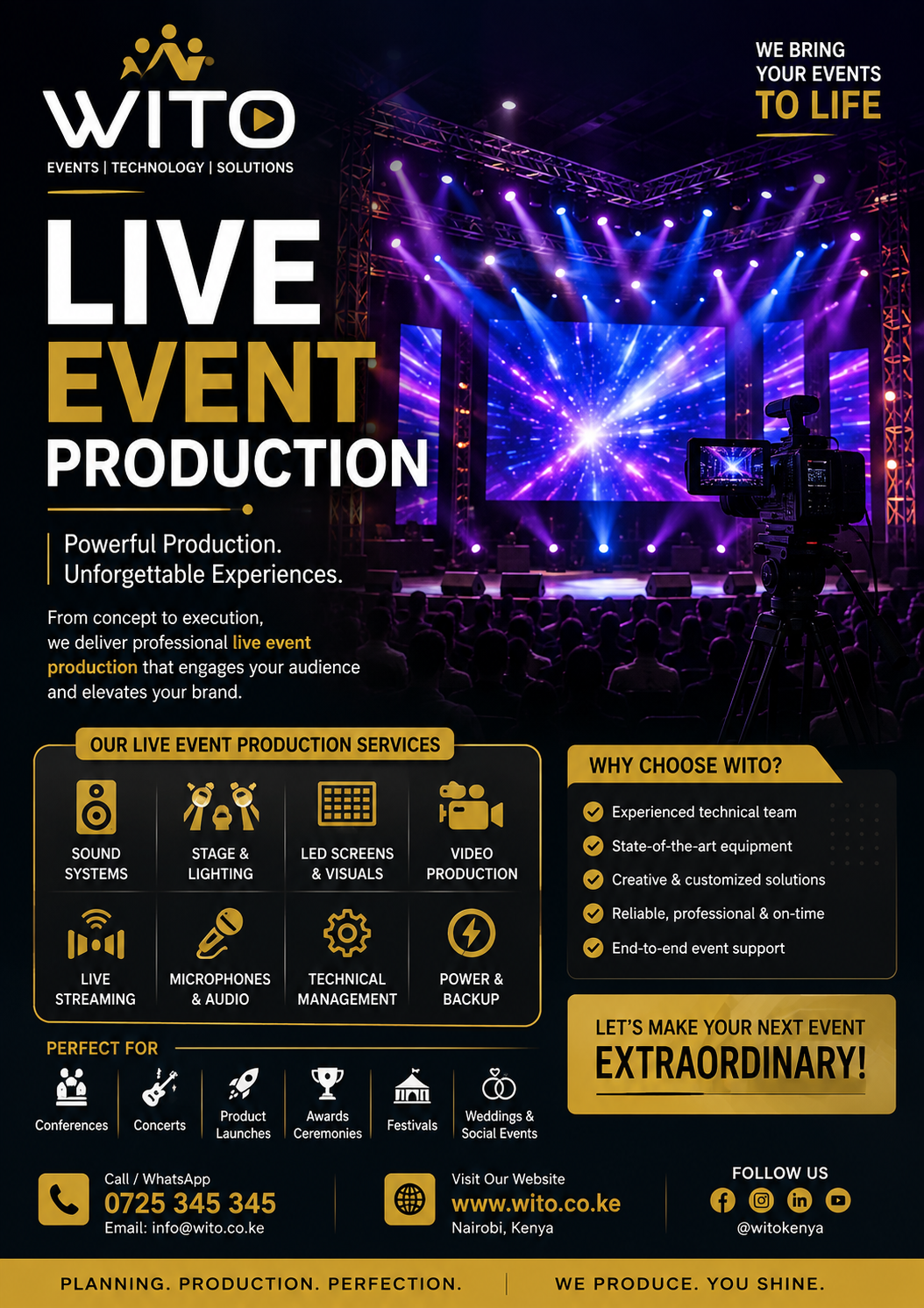
Conference Production Company services play an important role in creating professional, engaging, and technically reliable conferences. From stage design and sound systems to LED screens, event lighting, presentation management, video production, and live streaming, every technical element must work together to deliver a seamless experience.
Modern conferences are no longer limited to speakers standing behind a podium and addressing an audience. Businesses, organizations, institutions, and event organizers now expect professional stages, high-quality audiovisual systems, branded environments, interactive presentations, and reliable technology.
A professional conference production company brings together the equipment, technical expertise, creative design, and experienced personnel required to manage these elements.
Whether you are organizing a corporate conference, business summit, industry forum, academic conference, leadership event, product presentation, government meeting, or hybrid conference, professional production can significantly improve the overall experience.
What Is a Conference Production Company?
A conference production company specializes in the technical and creative execution of conferences. Its responsibility is to transform an event concept into a professionally delivered live experience.
While event planners may focus on venue selection, catering, guest registration, accommodation, scheduling, and logistics, production teams concentrate on the technical elements that allow attendees to see, hear, and experience the conference effectively.
A professional production team may provide:
- Stage design and construction
- Sound systems
- Wireless microphones
- LED screens
- Projectors
- Presentation systems
- Event lighting
- Video production
- Camera systems
- Live streaming
- Technical rehearsals
- Power management
- On-site technical support
The goal is to ensure that all these systems work together throughout the event.
For example, when a keynote speaker walks onto the stage, the microphone should be ready, the correct presentation should appear on the screen, the lighting should highlight the speaker, and cameras should be able to capture the presentation.
This coordination happens behind the scenes through careful production planning.
Why Professional Conference Production Matters
A conference may have excellent speakers and valuable content, but poor technical execution can negatively affect the audience experience.
Working with a conference production company helps organizers reduce these risks while creating a more professional environment.
Clear Communication
Clear communication is one of the most important requirements of any conference.
Attendees need to hear keynote speakers, panelists, presenters, and moderators without struggling with poor audio.
Professional sound engineers select appropriate microphones, speakers, mixers, and audio processing equipment based on the venue and event requirements.
Better Audience Engagement
Visual elements can make a conference more engaging.
LED screens, presentations, videos, live camera feeds, branded graphics, and professional lighting help maintain audience attention throughout the program.
Instead of relying only on a speaker standing on stage, organizers can use different visual elements to support the information being presented.
Professional Brand Image
A conference is also an opportunity for an organization to showcase its brand.
A professionally designed stage can incorporate:
- Company logos
- Brand colors
- Event graphics
- Sponsor branding
- Speaker information
- Promotional videos
- Branded backgrounds
Consistent branding creates a polished appearance and can improve the perception of the organization.
Reduced Technical Problems
Technical failures can interrupt important moments during a conference.
Common problems include:
- Microphone failure
- Presentation errors
- Audio feedback
- Screen problems
- Video playback issues
- Internet interruptions
- Streaming failures
- Lighting problems
Professional production teams reduce these risks through equipment testing, rehearsals, backup systems, and experienced technicians.
Services Offered by Conference Production Companies
A full-service conference production company can provide multiple technical services through one coordinated team.
This can simplify event management because organizers do not have to coordinate separate companies for sound, lighting, video, staging, and streaming.
Conference Stage Design
The stage is usually the visual center of a conference.
Its design should reflect the event’s objectives while providing enough space for speakers, panelists, presenters, and other activities.
Conference stages can include:
- Raised platforms
- Podiums
- LED walls
- Branded backdrops
- Panel furniture
- Confidence monitors
- Stage lighting
- Decorative structures
- Speaker areas
The stage design should also consider audience sightlines.
Attendees sitting at the back should be able to see speakers and presentation content clearly.
A well-designed stage can also improve video production because cameras need suitable angles for capturing speakers and presentations.
Professional Conference Sound Systems
Sound quality can determine how effectively attendees receive information.
A conference production company evaluates the venue before selecting the appropriate sound equipment.
Factors include:
- Venue size
- Audience capacity
- Room acoustics
- Stage position
- Number of speakers
- Number of microphones
- Presentation format
Professional conference sound systems can include:
- Wireless handheld microphones
- Lapel microphones
- Headset microphones
- Podium microphones
- Digital mixing consoles
- Main speakers
- Stage monitors
- Audio processors
Wireless Microphones
Wireless microphones provide presenters with freedom of movement.
They are useful for:
- Keynote speakers
- Panel discussions
- Interviews
- Audience questions
- Award ceremonies
- Product demonstrations
Different presenters may require different microphone types depending on how they interact with the stage.
Digital Mixing
Digital mixing consoles allow audio engineers to manage multiple audio sources from a central control position.
Engineers can adjust microphone levels, music, video playback, equalization, and other audio settings throughout the conference.
This helps maintain consistent sound quality.
Conference Lighting Solutions
Lighting affects both the atmosphere and visibility of a conference.
Professional lighting can highlight speakers while improving the appearance of the stage and video recordings.
Common lighting equipment includes:
- LED PAR lights
- Moving head lights
- Spotlights
- Wash lights
- Profile fixtures
- Stage lights
- Architectural lighting
Different sessions may require different lighting arrangements.
A keynote presentation may use focused lighting on the speaker, while an awards session may use dynamic lighting to create a more celebratory atmosphere.
LED Screens and Video Walls
Large LED screens have become an important part of modern conferences.
They allow audiences to view presentations, speaker information, videos, branding, and live camera feeds.
A conference production company can recommend screen sizes and configurations based on:
- Venue dimensions
- Audience size
- Seating arrangement
- Viewing distance
- Stage design
- Content requirements
LED screens can display:
- Presentations
- Event branding
- Sponsor advertisements
- Speaker names
- Session titles
- Promotional videos
- Live camera feeds
- Event schedules
They can also transform the visual appearance of a conference stage.
Presentation Management
Conference presentations often contain important information that needs to be displayed correctly.
Speakers may use:
- PowerPoint presentations
- Videos
- Charts
- Images
- Demonstrations
- Animations
- Product presentations
Professional presentation management ensures that the correct content appears on the appropriate screens at the right time.
Production teams may provide:
- Presentation computers
- Clickers
- Confidence monitors
- Preview screens
- Backup computers
- Video playback systems
- Presentation switching
A dedicated presentation operator can work with speakers before and during the event to ensure everything is ready.
Conference Video Production
Video production allows conferences to reach audiences beyond the physical venue.
Multiple cameras can capture:
- Keynote speakers
- Panel discussions
- Audience reactions
- Product demonstrations
- Interviews
- Stage presentations
Camera operators can position themselves around the venue to provide different perspectives.
A video director can then select the appropriate camera feed for the LED screens or online broadcast.
Recorded conference content can also be repurposed for:
- Social media
- Training
- Marketing
- Internal communication
- Educational content
- Future promotional campaigns
Live Streaming and Hybrid Conferences
Hybrid conferences combine physical and online participation.
This format allows organizations to reach audiences who cannot attend the venue physically.
A conference production company can provide the technical infrastructure needed for hybrid events, including:
- Multiple cameras
- Professional audio
- Video switching
- Streaming encoders
- Online presentation feeds
- Remote speakers
- Recording
- Virtual audience interaction
The challenge is to ensure that online participants receive the same quality of information as people attending physically.
Poor audio or unstable video can quickly reduce the quality of a virtual conference.
Professional production therefore includes testing the internet connection, streaming platform, cameras, microphones, and presentation feeds before the event begins.
Technical Event Management
Large conferences involve many technical specialists working simultaneously.
A typical production team may include:
- Production manager
- Audio engineer
- Lighting technician
- Video operator
- Camera operators
- Streaming technician
- Stage manager
- Presentation operator
- Technical assistants
The production manager coordinates the technical teams and communicates with event organizers.
During the event, the team may manage speaker entrances, presentation transitions, lighting cues, videos, microphones, camera feeds, and streaming.
This coordination ensures the conference program moves smoothly from one session to another.
Conference Production Planning
Successful conference production starts long before the event day.
The first stage is usually a consultation between the organizer and the production team.
Important information includes:
- Event objectives
- Event date
- Venue
- Expected attendance
- Number of speakers
- Program schedule
- Stage requirements
- Branding requirements
- Presentation requirements
- Streaming requirements
- Budget
Once these details are understood, the production team can develop a technical plan.
A conference production company can then determine the equipment, crew, stage design, sound coverage, lighting, video systems, and other technical requirements needed for the event.
Venue Site Survey
A venue site survey helps production teams understand the physical environment.
The team may inspect:
- Stage space
- Ceiling height
- Rigging points
- Power supply
- Internet connectivity
- Loading access
- Audience seating
- Emergency exits
- Camera positions
- Equipment storage areas
This information helps technicians identify potential challenges before setup begins.
For example, a venue may have limited power capacity or restricted rigging points.
Identifying such limitations early gives the production team time to develop alternatives.
Technical Rehearsals
Technical rehearsals are an important part of conference preparation.
Before attendees arrive, the production team should test the major systems.
Testing may include:
- Microphones
- Presentations
- LED screens
- Projectors
- Cameras
- Lighting
- Videos
- Speaker entrances
- Panel discussions
- Remote presenters
- Live streaming
Speakers can also familiarize themselves with the stage and technical equipment.
Rehearsals provide an opportunity to identify problems while there is still time to correct them.
Preparing for Different Conference Formats
Not every conference has the same technical requirements.
A small business seminar may require a simple stage, microphones, presentation screen, and basic lighting.
A large corporate summit may require multiple LED screens, advanced sound systems, cameras, streaming, stage management, and extensive branding.
Academic conferences may require multiple presentation rooms and recording systems.
Government forums may require professional broadcasting, interpretation systems, and highly coordinated technical support.
A professional production team adapts the setup to the specific format and requirements of the event.
The Importance of Experienced Technical Teams
Equipment alone cannot guarantee a successful conference.
Experienced technicians are needed to operate the systems and respond to unexpected situations.
Audio engineers manage sound, lighting technicians operate lighting systems, video operators manage visual content, camera operators capture important moments, and streaming technicians oversee online broadcasts.
Having an experienced team on-site provides additional reliability throughout the event.
Conference Production for Different Types of Events
A professional conference production company must be able to adapt its services to different event formats. A corporate leadership summit may have very different requirements from an academic conference, government forum, industry exhibition, or large business conference.
Understanding these differences allows organizers to select the right equipment, technical crew, and production approach.
Corporate Conference Production
Corporate conferences often involve executives, employees, investors, customers, partners, and industry professionals.
The production setup may include:
- Professional stage design
- LED video walls
- Wireless microphones
- Presentation systems
- Professional lighting
- Video recording
- Live streaming
- Branded graphics
- Confidence monitors
- Panel discussion equipment
A conference production company can coordinate these systems to create a professional environment that reflects the organization’s brand.
Corporate conferences may also include keynote presentations, panel discussions, product demonstrations, networking sessions, awards, and entertainment.
Each section requires different technical cues, making production management particularly important.
Industry Summits
Industry summits bring together professionals, business leaders, experts, and decision-makers to discuss trends and developments within a particular sector.
These events may require:
- Keynote stages
- Panel discussion setups
- Speaker presentations
- Audience microphones
- LED displays
- Video recording
- Live streaming
- Sponsor branding
- Interview areas
Production teams must ensure that presentations and discussions remain visually and audibly clear throughout the program.
Academic Conferences
Academic conferences often involve researchers, lecturers, students, institutions, and industry experts.
Unlike some corporate events, academic conferences may involve multiple sessions taking place in different rooms.
Production requirements can include:
- Projectors
- Presentation screens
- Microphones
- Recording systems
- Conference room audio
- Video conferencing
- Live streaming
- Speaker support
A conference production company can help coordinate technical equipment across multiple rooms while ensuring presenters have the tools they need.
Government Conferences
Government forums and public-sector conferences often require professional communication systems and reliable technical execution.
These events may include:
- Official speeches
- Panel discussions
- Media coverage
- Live broadcasting
- Interpretation
- Presentation systems
- Stage branding
- Recording
Because government events can involve senior officials and large audiences, technical reliability is particularly important.
Leadership Conferences
Leadership conferences bring together executives, managers, entrepreneurs, and organizational leaders.
The production environment should support professional presentations and meaningful interaction.
A typical leadership conference may use:
- Large LED screens
- Keynote lighting
- Wireless microphones
- Presentation systems
- Stage furniture
- Camera coverage
- Live streaming
Professional production helps create an environment where speakers can communicate effectively with their audiences.
Panel Discussion Production
Panel discussions are common at modern conferences.
Unlike a single-speaker presentation, panels require several people to communicate simultaneously.
Each panelist may need an individual microphone, while cameras may need to capture both individual speakers and the entire panel.
Technical teams coordinate:
- Panel microphones
- Seating arrangements
- Camera angles
- Lighting
- Presentation screens
- Audience microphones
- Moderator microphones
A conference production company can also provide confidence monitors so panelists and moderators can view presentation materials or timing information.
Audience Question and Answer Systems
Many conferences include audience Q&A sessions.
Microphones need to be available for attendees who want to ask questions.
Depending on the event size, production teams may use:
- Wireless handheld microphones
- Audience microphone stations
- Roving microphones
- Digital Q&A platforms
- Online questions for hybrid events
The technical team needs to ensure questions are clearly captured for both the physical and online audiences.
Conference Branding and Visual Identity
Branding plays an important role in professional conference production.
The event environment should communicate a consistent visual identity across the stage, screens, presentation materials, and other areas.
Branding opportunities include:
- LED screen graphics
- Stage backdrops
- Speaker name graphics
- Sponsor logos
- Directional displays
- Registration branding
- Video content
- Social media graphics
A conference production company can incorporate these elements into the technical design.
Sponsor Visibility
Sponsors often expect meaningful visibility during conferences.
LED screens can display sponsor logos between sessions, while branded videos and graphics can be integrated into the event program.
Other opportunities include:
- Sponsored sessions
- Branded stage elements
- Sponsor videos
- Interview backdrops
- Digital signage
- Presentation slides
Professional visual production can help organizers deliver the visibility promised to sponsors.
Conference Video Walls
Video walls provide large-format visual communication.
They can display presentations, videos, speaker information, live camera feeds, and branding.
Large conferences benefit from video walls because attendees at the back of the venue can still view important content.
The screen configuration should be selected based on:
- Venue size
- Viewing distance
- Content type
- Stage dimensions
- Audience capacity
A professional production team can determine the appropriate display solution during the planning stage.
Conference Lighting Design
Lighting is not simply about making the stage bright.
A well-designed lighting system can create atmosphere, improve video quality, highlight speakers, and direct audience attention.
Different lighting techniques can be used for different parts of the event.
Keynote Lighting
Focused lighting can highlight the main speaker while maintaining a professional appearance.
Panel Lighting
Even lighting ensures that every panelist can be seen clearly by the audience and cameras.
Award Lighting
Dynamic lighting can create a more energetic atmosphere during award presentations.
Networking Lighting
Softer lighting can create a comfortable environment during networking sessions.
Conference Video Recording
Recording conferences allows organizations to preserve important sessions for future use.
Recorded material can become valuable content for:
- Training
- Marketing
- Internal communication
- Social media
- Online courses
- Company archives
A professional camera team can capture high-quality footage of keynote presentations, panel discussions, interviews, demonstrations, and audience reactions.
Hybrid Conference Technology
Hybrid events require production systems that connect physical and virtual audiences.
A conference production company can integrate physical stage production with online platforms.
A hybrid setup may include:
- Multiple cameras
- Professional microphones
- Video switchers
- Streaming encoders
- Presentation feeds
- Remote speaker connections
- Online audience interaction
- Recording systems
The production team needs to monitor both the physical venue and online broadcast throughout the event.
Remote Speaker Integration
Some conferences include speakers who cannot attend physically.
Remote presenters can join through video conferencing platforms.
Production teams can integrate remote speakers into the main event using:
- Large LED screens
- Confidence monitors
- Professional cameras
- Audio interfaces
- Video conferencing systems
Before the session begins, technicians should test the speaker’s internet connection, camera, microphone, and presentation.
This reduces the likelihood of disruptions during the live session.
Conference Power Management
Reliable power is essential for conference production.
Sound systems, LED screens, lighting, cameras, computers, and streaming systems all depend on electricity.
Production teams should calculate the expected power requirements before installation.
Power planning may include:
- Distribution boards
- Dedicated circuits
- Voltage protection
- UPS systems
- Generators
- Backup power
Critical equipment may require additional backup systems to prevent interruptions.
Cable Management
Conferences can involve hundreds of cables connecting microphones, speakers, cameras, lighting, screens, computers, and control equipment.
Poor cable management can create safety risks and make troubleshooting difficult.
Professional production teams organize cables using:
- Cable ramps
- Cable covers
- Secure routing
- Proper labeling
- Stage management systems
Good cable management improves both safety and production efficiency.
Conference Technical Safety
Safety should be considered throughout the production process.
A conference production company should assess potential risks related to staging, electricity, equipment, crowd movement, and temporary structures.
Safety considerations include:
- Secure stage construction
- Proper electrical connections
- Safe cable routing
- Stable equipment
- Appropriate rigging
- Emergency access
- Clear evacuation routes
Large conferences may require coordination between production teams, venue management, security, and emergency personnel.
Conference Production Crew
Professional conferences depend on skilled technicians.
A typical team may include:
Production Manager
Coordinates the overall technical operation.
Audio Engineer
Manages microphones, speakers, mixers, and audio levels.
Lighting Technician
Controls stage and venue lighting.
Video Operator
Manages presentations, video playback, and visual content.
Camera Operators
Capture speakers, panels, audience reactions, and other important moments.
Streaming Technician
Manages the online broadcast and monitors streaming quality.
Stage Manager
Coordinates speakers, presenters, stage movement, and program timing.
Having clearly defined roles allows the production team to respond quickly when something changes.
Managing Conference Timelines
Conference schedules can be extremely detailed.
A typical program may include:
- Opening ceremony
- Welcome speech
- Keynote presentation
- Panel discussion
- Coffee break
- Workshop
- Product presentation
- Networking session
- Awards
- Closing remarks
Each section may require different technical settings.
For example, the production team may need to change microphones, lighting, screen content, music, and camera shots between sessions.
Strong coordination ensures these transitions happen quickly.
Technical Rehearsals Before the Event
Rehearsals allow technicians and speakers to work through the event program before attendees arrive.
The team can test:
- Microphones
- Presentation slides
- Videos
- Camera feeds
- Lighting cues
- Stage entrances
- Panel discussions
- Remote speakers
- Streaming
Speakers can also practice using presentation clickers and confidence monitors.
This preparation gives presenters greater confidence and allows technicians to identify problems early.
Benefits of Hiring a Professional Conference Production Company
Working with professional production specialists provides several benefits.
Better Reliability
Professional equipment is tested and prepared before the event.
Technical Expertise
Experienced technicians understand how to operate complex production systems.
Better Presentation Quality
High-quality sound, lighting, video, and staging improve the audience experience.
Efficient Coordination
One production team can coordinate multiple technical services.
Reduced Risk
Backup systems and contingency planning reduce the impact of unexpected problems.
Professional Appearance
A polished production environment strengthens the event’s overall image.
Better Audience Engagement
Professional visuals and audio help keep attendees focused throughout the conference.
How Technology Is Changing Conference Production
Conference technology continues to evolve.
Modern events increasingly use:
- High-resolution LED screens
- Advanced digital audio consoles
- Wireless production systems
- Interactive displays
- Multi-camera streaming
- Remote speakers
- Digital audience engagement
- Automated lighting
- Event analytics
These technologies allow conferences to become more interactive and accessible.
Artificial intelligence and advanced event platforms are also creating opportunities for more personalized attendee experiences.
Conference Production and Audience Experience
The ultimate purpose of technical production is to improve the audience experience.
Attendees should be able to:
- Hear speakers clearly
- See presentations
- Follow panel discussions
- Participate in Q&A
- Watch demonstrations
- Access online content
- Interact with other participants
When technical systems operate smoothly, audiences can concentrate on the content rather than the technology.
A conference production company therefore plays an important role in making the event feel professional and organized.
How to Choose the Right Conference Production Company
Choosing the right conference production company can have a major impact on the quality and reliability of an event. The production partner should understand the conference objectives, venue, audience, technical requirements, and expected production standards.
Before making a decision, organizers should evaluate several important factors.
Experience and Portfolio
Experience is one of the first things to consider.
Ask potential production providers about conferences they have handled previously. A company with experience in similar events is more likely to understand the technical challenges involved.
Review previous projects involving:
- Corporate conferences
- Industry summits
- Academic events
- Government forums
- Product launches
- Hybrid conferences
- Large-scale business events
A strong portfolio can demonstrate the company’s ability to manage different production environments.
Quality of Equipment
Equipment quality directly affects the final event experience.
Ask what equipment is available for:
- Sound
- Lighting
- LED screens
- Cameras
- Presentation systems
- Streaming
- Staging
- Power management
Modern and well-maintained equipment can provide better performance and reduce the likelihood of technical failures.
Technical Team
The equipment is only as effective as the people operating it.
A professional production team should have experienced:
- Audio engineers
- Lighting technicians
- Video operators
- Camera operators
- Streaming technicians
- Stage managers
- Production managers
Ask whether technicians will remain on-site throughout the conference.
Having technical personnel available during the event allows problems to be addressed quickly.
Conference Production Budgeting
Budget is an important part of planning a conference.
The cost of production depends on several factors, including:
- Venue size
- Number of attendees
- Event duration
- Stage design
- Sound requirements
- Lighting requirements
- LED screen size
- Number of cameras
- Streaming requirements
- Crew size
- Transportation
- Power requirements
- Technical complexity
A small business seminar may require a simple setup, while a large international conference may require extensive staging, audiovisual equipment, video production, streaming, and technical personnel.
Organizers should avoid choosing a provider based only on the lowest quotation.
A low quotation may exclude important services such as technical support, rehearsals, backup equipment, transportation, or additional technicians.
Instead, compare quotations based on the complete scope of services.
What Should Be Included in a Conference Production Quotation?
A detailed quotation should clearly explain what is included.
It may contain:
- Stage setup
- Sound equipment
- Lighting
- LED screens
- Projectors
- Microphones
- Cameras
- Streaming
- Technical crew
- Setup and breakdown
- Transportation
- Power systems
- Technical rehearsals
Organizers should also confirm whether additional charges may apply for overtime, extra equipment, additional technicians, or extended event days.
Clear quotations reduce misunderstandings between organizers and production providers.
Common Conference Production Mistakes
Even well-planned conferences can experience problems when technical requirements are underestimated.
Booking Production Too Late
Large conferences require significant preparation.
Waiting until the last minute can create problems with:
- Equipment availability
- Stage design
- Technical staffing
- Venue access
- Rehearsals
- Streaming arrangements
Early planning provides more time to solve unexpected challenges.
Choosing Equipment Based Only on Price
The cheapest equipment is not always the best option.
Poor-quality equipment can lead to:
- Distorted sound
- Poor visibility
- Screen problems
- Unreliable microphones
- Streaming interruptions
Organizers should prioritize suitability, reliability, and professional support.
Ignoring the Venue
Technical requirements can vary significantly between venues.
A production setup that works well in one conference hall may not work in another.
Venue inspections should therefore be completed before finalizing production requirements.
Skipping Technical Rehearsals
Skipping rehearsals can increase the risk of problems during the live event.
Presentations, microphones, videos, cameras, lighting, and streaming should all be tested before attendees arrive.
No Backup Plan
Technical failures can happen even with good preparation.
Production teams should have contingency plans for critical systems.
Backup solutions may include:
- Spare microphones
- Backup computers
- Additional cables
- Backup power
- Alternative internet connections
- Replacement equipment
Conference Safety
Safety should be considered from the beginning of the production process.
Conferences can involve temporary stages, lighting equipment, electrical systems, LED screens, cables, trusses, cameras, and large numbers of people.
Electrical Safety
Electrical systems should be installed correctly and inspected before the event.
Production teams should consider:
- Power capacity
- Cable routing
- Circuit protection
- Grounding
- Backup power
- Equipment protection
Stage Safety
Stages should be properly constructed and inspected before use.
Access points should remain clear, and equipment should be positioned securely.
Rigging Safety
Lighting, speakers, LED screens, and other overhead equipment may require rigging.
Qualified personnel should handle these installations while considering equipment weight, structural capacity, and appropriate safety measures.
Crowd Safety
Conference organizers should maintain clear entrances, exits, walkways, and emergency routes.
Production teams should coordinate with venue management and security when technical installations could affect audience movement.
Measuring Conference Success
After the conference, organizers should evaluate whether the event achieved its objectives.
Useful performance indicators include:
- Number of attendees
- Audience satisfaction
- Speaker feedback
- Sponsor satisfaction
- Online attendance
- Social media engagement
- Leads generated
- Technical incidents
- Streaming performance
- Session participation
This information can help organizations improve future conferences.
Importance of Audience Feedback
Attendee feedback can reveal areas that organizers may not notice themselves.
Questions can address:
- Sound quality
- Screen visibility
- Presentation quality
- Streaming experience
- Stage design
- Session transitions
- Technical reliability
Feedback can then be used to improve future production plans.
Using Conference Recordings After the Event
Conference production can generate valuable content even after the event has ended.
Recorded keynote speeches, interviews, panel discussions, and presentations can be repurposed for digital marketing and communication.
Organizations can use recordings for:
- YouTube content
- Social media clips
- Training materials
- Internal communication
- Website content
- Educational resources
- Promotional campaigns
This increases the long-term value of investing in professional video production.
Making Conferences More Engaging
Modern audiences expect conferences to be interactive.
Production technology can support engagement through:
- Live polling
- Audience Q&A
- Interactive screens
- Social media walls
- Live camera feeds
- Digital presentations
- Virtual participation
These tools encourage attendees to participate rather than simply listen.
Future Trends in Conference Production
Technology continues to change the way conferences are produced.
Some important trends include:
High-Resolution LED Displays
Improved LED technology provides brighter and more detailed visuals for large audiences.
Hybrid Events
Organizations can combine physical attendance with online participation to reach wider audiences.
Advanced Streaming
Improved streaming technology allows conferences to reach viewers across different locations.
Interactive Technology
Audience interaction tools can make sessions more engaging.
Artificial Intelligence
AI-powered tools can support event personalization, content management, audience analysis, and automated event services.
Sustainable Production
Event organizers are increasingly looking for energy-efficient lighting, reusable staging, digital signage, and other sustainable production approaches.
Why One Production Partner Can Be Better
Using different suppliers for sound, lighting, video, staging, and streaming can create coordination challenges.
A conference production company that provides multiple services can simplify communication.
Instead of dealing with several technical teams separately, the organizer can work with one production manager who coordinates the entire technical operation.
This can improve:
- Communication
- Accountability
- Scheduling
- Technical integration
- Troubleshooting
- Event consistency
Conference Production Checklist
Before the event, organizers can use a production checklist to confirm that all major requirements have been addressed.
Before the Event
- Confirm venue
- Conduct site survey
- Finalize stage design
- Confirm equipment
- Confirm technical crew
- Prepare presentations
- Confirm internet connection
- Plan power requirements
- Prepare backup equipment
- Schedule technical rehearsal
During Setup
- Build stage
- Install LED screens
- Install sound systems
- Install lighting
- Set up cameras
- Configure presentation systems
- Install streaming equipment
- Test power
- Organize cables
- Test all systems
Before Guests Arrive
- Test microphones
- Test presentations
- Test videos
- Test cameras
- Check lighting
- Test LED screens
- Confirm streaming
- Brief technical crew
- Confirm event cues
During the Conference
- Monitor audio
- Monitor video
- Monitor lighting
- Manage presentations
- Coordinate speakers
- Monitor streaming
- Communicate with event organizers
- Respond to technical problems
Frequently Asked Questions
What does a conference production company do?
A conference production company manages the technical and creative elements of a conference, including staging, sound, lighting, LED screens, presentation systems, video production, live streaming, technical rehearsals, and on-site support.
What types of conferences can production companies support?
Professional production companies can support corporate conferences, business summits, academic conferences, government forums, leadership events, product launches, industry meetings, hybrid conferences, and other large-scale events.
How much does conference production cost?
The cost depends on the venue, number of attendees, event duration, equipment requirements, stage design, number of technicians, streaming needs, transportation, and overall production complexity.
Do conference production companies provide equipment?
Yes. Many providers can supply sound systems, microphones, LED screens, projectors, lighting equipment, cameras, presentation systems, streaming equipment, staging, and related technical equipment.
Can a conference production company handle hybrid events?
Yes. Professional production teams can combine physical conference production with cameras, video switching, professional audio, streaming platforms, remote speakers, and online audience participation.
Why is a technical rehearsal important?
A rehearsal allows the production team and speakers to test microphones, presentations, videos, cameras, lighting, screens, streaming, and other technical systems before the audience arrives.
How early should conference production be planned?
Large and complex conferences should ideally begin production planning well in advance. Early planning allows enough time for venue inspections, equipment selection, stage design, technical rehearsals, crew scheduling, and contingency planning.
Conclusion
A professional conference requires much more than booking a venue and inviting speakers. Sound, lighting, staging, presentation technology, video production, branding, streaming, power, safety, and technical management all contribute to the success of the event.
Working with an experienced conference production company gives organizers access to professional equipment, skilled technicians, creative production solutions, and structured technical planning. From the first venue inspection to the final breakdown, every stage can be carefully coordinated to reduce risks and improve the attendee experience.
The right production partner can also help organizations create stronger visual branding, deliver clearer presentations, improve audience engagement, and extend the reach of conferences through professional video production and live streaming.
As conference technology continues to evolve, organizations have more opportunities to create interactive, immersive, and accessible events. LED displays, hybrid technology, multi-camera production, advanced lighting, digital engagement tools, and professional streaming are becoming increasingly important.
Ultimately, successful conference production is about bringing technology and people together to support the purpose of the event. When every technical element is properly planned and managed, speakers can communicate effectively, audiences remain engaged, sponsors receive greater visibility, and organizations can deliver conferences that create lasting impressions.
- conference production company
- conference production company
- conference production company
- conference production company
- conference production company
- conference production company
- conference production company
- conference production company
- conference production company
- conference production company
- conference production company
- conference production company
- conference production company
- conference production company
- conference production company
- conference production company
- conference production company
- conference production company
- conference production company
- conference production company
- conference production company
- conference production company
- conference production company
- conference production company
- conference production company
- conference production company
- conference production company
- conference production company
- conference production company
- conference production company
- conference production company
- conference production company
- conference production company